About Me

My photo
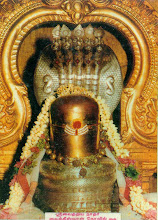
Five faces of shivam are Easanam,Thathpurusam, Agoram, Vamadheyam, Sathyojatham. Meikanda Shasthram says three types of worship. *Arupa {Niskala} - formless[empty]. *Rupa {Sakala} - means forms of worship,fully manifested[Natarajar]. *Rupa Arupa {Niskalasakala} -formless form[Sivalingam]. Sarvam Shiva Mayam
Showing posts with label Saiva Philosophy. Show all posts

Friday, April 2, 2010

Two saiva siddhanta schools


Thanks to himalayanacademy this Content was taken as reference from the site himalayanacademy.com

There are two Saiva Siddhanta schools:

  1. pluralistic theism: Aghorasiva and Meykandar,

  2. monistic theism: Tirumular


Views on God and Soul?

SLOKA 148

A monistic theist explains to a pluralist that the soul emerges from Siva just as a cloud arises from the sea. Below the river of life sweeps all things along, into and out of existence. Ultimately, the soul merges with God, like the river rejoining the ocean.

For pluralists, God pervades but did not create the soul; thus, God and soul remain separate realities forever. Aum.

BHASHYA

Pluralistic Siddhantins teach that Siva pervades the soul, yet the soul is uncreated and exists eternally. It is amorphous, but has the qualities of willing, thinking and acting. It does not wholly merge in Him at the end of its evolution. Rather, it reaches His realm and enjoys the bliss of divine communion eternally. Like salt dissolved in water, soul and God are not two; neither are they perfectly one. For monistic Siddhantins the soul emerges from God like a rain cloud drawn from the sea. Like a river, the soul passes through many births. The soul consists of an uncreated divine essence and a beautiful, effulgent, human-like form created by Siva. While this form--called the anandamaya kosha or soul body--is maturing, it is distinct from God. Even during this evolution, its essence, Satchidananda and Parashiva, is not different from Siva. Finally, like a river flowing into the sea, the soul returns to its source. Soul and God are perfectly one. The Vedas say, "Just as the flowing rivers disappear in the ocean, casting off name and shape, even so the knower, freed from name and shape, attains to the Primal Soul, higher than the high." Aum Namah Sivaya.


Two Views on Creation?

SLOKA 147

Monistic theists believe that Siva creates the cosmos as an emanation of Himself. He is His creation. Pluralistic theists hold that Siva molds eternally existing matter to fashion the cosmos and is thus not His creation. Aum.

BHASHYA

Pluralistic Siddhantins hold that God, souls and world--Pati, pashu and pasha--are three eternally coexistent realities. By creation, this school understands that Siva fashions existing matter, maya, into various forms. In other words, God, like a potter, is the efficient cause of the cosmos. But He is not the material cause, the "clay" from which the cosmos is formed. Pluralists hold that any reason for the creation of pasha--anava, karma and maya--whether it be a divine desire, a demonstration of glory or merely a playful sport, makes the Creator less than perfect. Therefore, pasha could never have been created. Monistic Siddhantins totally reject the potter analogy. They teach that God is simultaneously the efficient, instrumental and material cause. Siva is constantly emanating creation from Himself. His act of manifestation may be likened to heat issuing from a fire, a mountain from the earth or waves from the ocean. The heat is the fire, the mountain is the earth, the waves are not different from the ocean. The Vedas proclaim, "In That all this unites; from That all issues forth. He, omnipresent, is the warp and woof of all created things." Aum Namah Sivaya.

Differing Views on Evil

For monistic theists, the world of maya is Siva's perfect creation, containing each thing and its opposite. For pluralistic theists, the world is tarnished with evil; thus maya could not be the creation of a perfect God. Aum.

BHASHYA

Pluralistic Siddhantins hold that the world of maya is intrinsically evil and imperfect, for it is clearly full of sorrow, injustice, disease and death. The soul, too, is beginninglessly tainted with anava, or limitation. Pluralists contend that if God had created maya--the material of the world--or the soul, surely He would have made them flawless, and there would be no evil, for imperfection cannot arise out of Perfection. Therefore, they conclude that anava, karma and maya have always existed and the soul has been immersed in darkness and bondage without beginning. Monistic Siddhantins hold that when viewed from higher consciousness, this world is seen as it truly is--perfect. There is no intrinsic evil. God Siva has created the principle of opposites, which are the means for the soul's maturation--beauty and deformity, light and darkness, love and hate, joy and sorrow. All is God Siva Himself, in Him and of Him. A perfect cosmos has issued forth from a perfect Creator. The Tirumantiram says, "All manifestations of nature are His grace. All animate and inanimate are His pure grace. As darkness, as light, the Lord's grace pervades." Aum Namah Sivaya.


Views on Mahapralaya?

Monistic theists hold that at mahapralaya, cosmic dissolution, all creation is withdrawn into Siva, and He alone exists. Pluralistic theists hold that world and souls persist in seed form and will later reemerge. Aum Namah Sivaya.

BHASHYA

Pluralistic Siddhantins contend that after mahapralaya--the withdrawal of time, form and space into Siva--souls and world are so close to Siva that, for all practical purposes, He alone exists. Actually, they say, both world and souls continue to exist, not as things, but as "potentialities." As if in a deep sleep, souls, now in a bodiless state, rest. Individual karmas lie dormant to germinate later when creation again issues forth and nonliberated souls are re-embodied to continue their spiritual journey. Monistic Siddhantins believe that souls persist through the lesser pralayas of the cosmic cycle, but hold that only Siva exists following mahapralaya. There is no "other," no separate souls, no separate world. The universe and all souls are absorbed in Siva. Pasha--anava, karma and maya--is annihilated. In the intensity of pre-dissolution, when time itself is accelerated, all souls attain complete maturation, losing separateness through fulfilled merger with Siva. Yea, jiva becomes Siva. The Vedas boldly decree, "By His divine power He holds dominion over all the worlds. At the periods of creation and dissolution of the universe, He alone exists." Aum Namah Sivaya.


Verses from Scripture on Saiva Siddhanta

Meditate on the Lord as the object of meditation, for by the Lord the whole world is set to activity. Brahma, Vishnu, Rudra and Indra have been brought forth by Him; similarly, all faculties along with creatures. His divine majesty has become the Cause, the Universe, the Blissful, as the ether standing unshaken in the mid-air.

Atharva Veda, Atharvashikha Upanishad 2. upb, 782

All the sacred books, all holy sacrifice and ritual and prayers, all the words of the Vedas, and the whole past and present and future, come from the Spirit. With maya, His power of wonder, He made all things, and by maya the human soul is bound. Know, therefore, that nature is maya, but that God is the ruler of maya, and that all beings in our universe are parts of His infinite splendor.

Krishna Yajur Veda, Shvetashvatara Upanishad 4.9-10. UPM, 92

The seer sees not death, nor sickness, nor any distress. The seer sees only the All, obtains the All entirely. For the sake of experiencing the true and the false, the great Self has a dual nature. Yea, the great Self has a dual nature. Yea, the great Self has a dual nature!

Krishna Yajur Veda, Maitri Upanishad 7.11.6 & 8. UPH, 458

Inconceivable is this supreme atman, immeasurable, unborn, inscrutable, unthinkable, He whose Self is infinite space. He alone remains awake when the universe is dissolved, and out of this space He awakens the world consisting of thought.

Krishna Yajur Veda, Maitri Upanishad 6.17. VE, 667

He Himself fashions all worlds in minute detail. He fashions life, conferring birth. He fashions things big and small -- the cauldron, the pitcher and the pot. He fashions these and more -- He, the Architect Almighty.

Tirumantiram 417. TM

The Primal One, the indivisible great, Himself into several divided. As form, formless and form-formless, and as guru and as Shakti's Lord. In forms numerous He immanent in jivas became.

Tirumantiram 2481. TM

That intelligence which incites the functions into the paths of virtue or vice am I. All this universe, moveable and immoveable, is from Me. All things are preserved by Me. All are absorbed into Me at the time of pralaya. Because there exists nothing but Spirit, and I am that Spirit, there exists nothing else.

Siva Samhita 1.34. SS, 6

You and He are not two separate; you and He are but one united; thus do you stand, freed of all sectarian shackles; adore the feet of Parapara and with Siva become One -- that the way Siddhanta fulfills.

Tirumantiram 1437. TM

Always my action is your action. I am not other than you, because the essence of myself which I call "I" does not exist apart from you. Herein lies the natural harmony between Vedanta and Siddhanta.

Tayumanavar 2.5. NT, 8

As wide Earth, as fire and water, as sacrificer and wind that blows, as eternal moon and sun, as ether, as the eight-formed God, as cosmic good and evil, woman and man, all other forms and His own form, and all these as Himself, as yesterday and today and tomorrow, the God of the long, red hair stands, O Wonder!

Tirumurai 6.308.1. PS, 113

It cannot be seen by the eye, and yet it is the eye within the eye. It cannot be heard by the ear, and yet it is the ear within the ear. It cannot be smelt by the nose, and yet it is that which makes the nose to smell. It cannot be uttered by the mouth, and yet it is that which makes the mouth to speak. It cannot be grasped by the hand, and yet it is that which makes the hand to grasp. It cannot be reached by the feet, and yet it is that which makes the feet to walk. It cannot be thought by the mind, and yet it is the mind within the mind. It is the Primal One without past or future. Its form is free from age and sickness. It manifests as father and mother. It blossoms as the Self-Existent. It cannot be described as one or two. No artist can portray It. It is that which lies 'twixt good and evil. It ever abides in the hearts of the wise. It permits no distinction between Vedanta and Siddhanta. It is That which dances at the zenith beyond the realm of sound.


Saturday, August 22, 2009

Basic Saiva Siddhantham Philosophy

sitham = mind or knowledge, siddi = accomplishment or sucess, siddhar = who know the truth of mind, antham = end,
siddhantham = end of mind ( that is its the final most stage or level of all siddha).
Saiva siddhantha principal:
1)Mupporul unmai (three meaning truths) - pathi, pasu and paasam.
2)Monnru alavai
3)pancha bootham(5 element)
4)Karma
5)Satkarya vadham
6)Maya
7)Mukthi

Indus valley civilization is the known historical orgin, connected to sivan (thirumooler), religion which worships sivan as ultimate god,practical all over indian subcontinent and world, spread its roots and established its growth in tamilnadu, the most ancient religion of indian subcontinet.
Evidence of siva worship in the south america, middle east and south-eastern countries - malaysia , vietnam, cambodia , thailand, indonesia , egypt.
In india Saivam is practised as follows:
Nepal: lagulisa pasupatham.
Kashmir:prathhiya pingchai.
Gujarat and maharashtra: sivadivita saivam
Karnatka: veerasaivam

saiva siddhantham accepts vedha but its based on 28 agamas,tholkappiyum, sangam litrature, thirukural and 12 thirumurais.
Original works of saiva siddhantham are available in 14 sattirangal they are sivagnana bhodham by meykandar, arulnandhi sivam , maraignana sambhandhar and umapathy sivam.

Pathi is god (para sivam + para shakthi or simply shivam)
1)Chittu porul ( pure knowledge)
2)Performance of five deeds (pacha kirthyam): blessing, concealing, creating, sustaining, destroying
3)Three types of divine bodies: form (uruvum)-any shiva form,formless(aruvam),both
merged(aruvurvam)-lingam.
4)Confluence of karma and life-All deeds of souls will be rewarded/punished
5)salvation(Mukthi)-when the soul realise "pathi", it attains salvation
6)Has eight characteristics- self existence, essential purity,intuitive wisdom, infinite intelligence, essential freedom from all bonds,infinite grace, infinite enjoyment, omnipotence.

Souls are a distinct real entity
Souls are also eternal like pathi but quite diffrent
Souls are normally tied by pasam (the bondage)
Souls can be liberated only with pathi's help
Souls will be never be destroyed - even while the entire universe is destroyed.
Souls are always (until after salvation) involved in birth-death -birth cycle
All living things including plants and animals have souls

Tri(3) malams(bondage)
1) anava - an inherent darkness attached to each soul
2) kanma - deeds and their result
3) maaya - a pure form of energy from which "pathi" creates this universe (that includes our bodies)

When soul has only 'anava', its said to be in a 'unitary' (kvala avathai) state
When soul has all three 'malas' its in ordinary state( sakala avathai)
When soul get rid of all three 'malas', it attains a pure state (suddha avathai)

This is non sentient energy.
With this god creates the world.
Maya transforms as the bodies of the living beins.
Hence, the whole world is reffered to as 'mayakaryam'
Maya helps life like a lamp.
Life gets exposed to knowledge through body and the worldly association.
Therefore, Its called 'om thalai" by sambandhar.
"Maya yanthira thanu" - sivagnana bodham.
Saiva siddhantham speaks highly of maaya.
God creates words with suddha maaya.
With asuddha maaya, siva creates the time and other rules.
Prakriti maaya is used to create the material world (universe)
Pathi pasu and paasam are three real eternal entities.
Pasu and pasam are not created by god, but controlled by him.
pasu (soul) is always under bondage.
pathi perfroms five (not three) duties to provide salvation.
Pathi ( siva) is pure knowledge and infinite love.

Sunday, May 31, 2009

The Saiva Siddhanta Philosophy

The Saiva Siddhanta Philosophy

Introduction: In the books which treat of Saivism, there is a reference to four schools, viz., the Nakulisa-pasupata, the Saiva, the Pratyabhijna and the Rasesvara.

Saiva Siddhanta is the philosophy of southern Saivism. It owes its origin to no single author. It is midway between Sankara’s Adwaita and Ramanuja’s Visishtadwaita. Its literature consists chiefly of: (1) the twenty-eight Saivite Agamas, (2) the collection of Saivite hymns known as Tirumurai compiled by Nambi Andar Nambi, (it contains Tirumanthiram of Tirumular; the Thevaram of Appar, Sundarar, and Sambandar, and the Tiruvachagam of Manickavachagar), (3) the collection of the lives of Saivite saints, known as the Periyapuranam, (4) Meykandar’s Siva-jnanabodham, (5) Arulnandi’s Sivajnanasiddhiar, and the works of Umapati. Tirumular’s work Tirumanthiram is the foundation upon which the later structure of Saiva Siddhanta philosophy was built.

The central doctrine of the Saiva Siddhanta philosophy is that Siva is the Supreme Reality, and that the Jiva or the individual soul is of the same essence as Siva, but not identical. Pati (God), Pasu (soul), and Pasa (the bonds) and the thirty-six Tattvas or principles which constitute the world, are all real.

The Saiva Siddhanta system is the distilled essence of Vedanta. It prevailed in Southern India even before the Christian era. Tirunelvely and Madura are the centres of the Saiva Siddhanta school. Even now, Saivism is a very popular creed in South India. It is a rival school of Vaishnavism.

Characteristics of the Supreme Reality: The Supreme Reality is called Siva. He is infinite consciousness. He is eternal, changeless, formless, independent, omnipresent, omnipotent, omniscient, one without a second, beginningless, causeless, taintless, self-existent, ever free, ever pure, and perfect. He is not limited by time. He is infinite bliss and infinite intelligence. He is free from defects, the all-doer, the all-knower.

Lord Siva is the God of Love. His grace is infinite. His love is infinite. He is the saviour and Guru. He is engaged in freeing the souls from the thraldom of matter. He assumes the form of a Guru out of His intense love for mankind. He wishes that all should know Him and attain the blissful Siva-Padam (the state of Siva). He watches the activities of the individual souls, and helps them in their onward march. He liberates the individual souls from their fetters or bonds.

The Five Activities of the Lord: The five activities of the Lord are: Creation, Preservation, Destruction, Veiling and Grace. These, separately considered, are the activities of Brahma, Vishnu, Rudra, Maheshwara, and Sadasiva.

Siva, Shakti and Maya: Lord Siva pervades the whole world by His Shakti. He works through Shakti. Shakti is the conscious energy of the Lord Siva. She is the very body of Lord Siva. The potter is the first cause for the pot. The stick and the wheel are the instrumental causes. The clay is the material cause of the pot. Similarly, Lord Siva is the first cause of the world. Shakti is the instrumental cause. Maya is the material cause.

Shakti is not the material cause of the universe, because She is of the nature of consciousness (Chaitanya). Siva is pure consciousness, but matter is pure unconsciousness. Shakti is the intermediate link between the two.

Shakti is the reflex of Siva. It has no independent existence. Siva assumes this form out of His great love for mankind. Siva wishes that all should know Him.

Evolution of the Tattvas from Suddha Maya: The world undergoes evolution for the benefit of the souls. The whole process of creation is for the sake of the salvation of the souls. The world is real and eternal. The world of matter and souls forms the body of the Lord.

The Saiva Siddhanta analyses the universe into 36 Tattvas or principles, as against the 25 of the Sankhya. The 36 Tattvas arise from Maya, the material cause of the world. Suddha Maya is Maya in its primal state. From it arise the five pure principles called Siva Tattva, Shakti Tattva, Sadasiva Tattva, Iswara Tattva, and Suddhavidya Tattva. Siva functions through these five pure principles.

Maya evolves into the subtle principles, and then into the gross. Siva Tattva is the basis of all consciousness and action. It is undifferentiated (Nishkala Suddha Maya). The Shakti of Siva starts her activity. Then Siva becomes the experiencer. Then He is called Sadasiva, known also by the name Sadakhya, Who is not really separate from Siva. The Suddha Maya becomes active. Then Siva, the experiencer, becomes the ruler. He is then Iswara, Who is not really separate from Sadasiva. Suddhavidya is the cause of true knowledge.

The bonds that bind the soul (Anava, Karma, Maya): Souls (Pasu) are by nature infinite, all-pervading, eternal, and all-knowing like Lord Siva (Pati). Yet they think that they are finite, limited and little-knowing, ignorant, and temporary. This is due to the bonds (Pasa), viz., Anava, Karma, and Maya, which are called the three Malas or impurities. Anava is the impurity which makes the all-pervading Jiva think itself to be atomic (Anu). It produces the erroneous notion of finiteness. The second impurity or bond is Karma. The soul acts in certain ways on account of its limitation, and does good and evil actions. Karma brings about the conjunction of the soul with its body. The results of the Karma have to be worked out in the world. There should be worlds and bodies, in order to experience the fruits of actions and acquire knowledge. These are provided by Maya, the third Mala or bond. Maya is the material cause of the world. The soul gets experience and limited knowledge through Maya.

The soul learns, by long experience, that this Samsara is full of pains and is transitory, and that he can attain eternal bliss and immortality only by attaining Sivatva or the nature of Siva or God-realisation. He develops Vairagya (dispassion), and Viveka (discrimination between the Real and the unreal, the Permanent and the impermanent).

Discipline and grace culminate in Jnana. Jnana is the supreme means of salvation or the attainment of the final beatitude. Karma and other means are only subsidiary to it. They are auxiliaries.

The attainment of Sivatva or Siva-nature does not mean complete merging of the soul in Siva. The liberated soul does not lose its individuality. It continues to exist as a soul in God. Sivatva is the realisation of an identity of essence in spite of difference. The soul attains the nature of Siva or God, but it is not itself Siva or God.

Three orders of Jivas: The Siddhantins divide Jivas or Pasus into three orders, viz., Vijnanakalas, Pralayakalas and Sakalas. Vijnanakalas have only the Anava Mala (egoism). Maya and Karma have been resolved. Pralayakalas have been freed from Maya alone, in the stage of Pralaya. Sakalas have all the three Malas.

The Malas affect only the Jivas, and not Siva. Those who are freed from the Malas or impurities attain Sivatva or the nature of Siva. They are the Siddhas or perfected beings.

The way to the attainment of Sivatva or God-realisation: You must free yourself from the three bonds, if you want to attain salvation. You must annihilate Maya, which is the root of all sins. You must destroy all Karmas which produce rebirth. You must remove the erroneous notion of a finite self.

The three bonds can be removed only through rigorous Tapas and proper discipline, the help of a Guru, and, above all, the grace of Lord Siva. Charya (observance), Kriya (rites), and Yoga (Yama-Niyama) constitute the discipline. When the aspirant practises in right earnest Charya, Kriya and Yoga he obtains the grace of Lord Siva. Then the Lord instructs the soul, reveals Himself and illumines him. Then the soul realises its nature as Siva.

Guru Puja

It is customary to observe the day on which these saints attained the Lord’s Feet, as a holy day. Given below are such days in respect of the Four Great Saivite teachers, with their respective holy days, according to the Tamil Calendar. Pray, fast and study their lives in these days.

Tirunavukkarasar

Tiru-Jnanasambandar

Manickavachagar

Sundaramurthi Swamigal

Chitrai Sadayam

Vaikhasi Moolam

Ani Makham

Adi Swathi

Saiva Siddantham Philosophic Text

SHAIVA SIDDANTAM PHILOSOPHIC TEXTS

AUTHOR

TAMIL UNICODE

ENGLISH

Arul nandishivam

Irubaa irupathu

shivanyna sitthiyaar


Umapathy shivam

shivaprakasham

thiruvarutpayan

vina venpa

potripaatrodai

nenjuvidum thuthu

kodikaavi

unmainerivillakkam

sangarpa nirakaranam


Meykanda shivam shivanyna boatham download translated pdf
Manavasag kadanthar unmai villakkam
Thiruviyalur uyyavanthadeva nayanar thiruvunthiyaar
Thirukadavur uyyanvanthadevar thirukalitrupadiyaar

Tuesday, May 26, 2009

Ancient Scriptures

Seven Islands of the world (sapta dvipa)

The ancient scriptures say the earth has seven islands (compare these with the continents as we are aware of). These major islands separated by ocean and are like the petals of a lotus flower round Mount Meru according to the scriptures. These seven islands are:

  1. plaxa
  2. shalmal
  3. kusha
  4. krau.ncha
  5. shAka
  6. puShkara
  7. jambu

Nine divisions of the jambu dvipa (Asia)

The jambu dvipam which refers to the Asian Continent was divided into nine parts according to the scriptures. These nine parts are:

  1. ilavRita (Himalayan, Tibet regions)
  2. bhadrashva (Region East of Himalayas) East
  3. hari (Arabia) South
  4. ketumalam (Iran, Turkey) West
  5. ramyaka (Russia, Siberia) North
  6. hiraNmaya (Manchuria) North
  7. kuru (Mongolia) North
  8. kiMpurusha / kiMnara (Lower bounds of Himalyas) South
  9. bharata (Indian subcontinent)

Ten Deeds of Devotees

Ten Deeds of Devotees

In the old sayings and adages there are many references to the 10 deeds. thirun^Avukkarachar refers to the ten characteristic deeds of the slaves of the Lord. (paththu kolAm adiyAr cheykai thanE) . manikavaasagar also refers to these 10 great deeds in thiruvempavai. (paththudaiyIr ! Ichan pazavadiyIr !!).

One of the eighteen purANas ska.ndha purANam tells about the 10 explicit activities, 3 implicit activities of the devotees and also tells the 10 marks of the devotees.

Ten Explicit Activities

  1. Being adorned with Holy Ash and rudraksham
  2. Adoring the guide (guru)
  3. Praising and saluting the Lord Who holds the river ganga
  4. Chanting the names of Lord shiva
  5. shiva-worship
  6. Pilgrimage to abodes of Lord shiva
  7. Listening to the glories of Lord shiva (shiva puranams)
  8. Venerating the devotees of Lord shiva
  9. Eating in the homes of the devotees of Lord shiva
  10. Donating to the guru who is a devotee of Lod shiva

3 Implicit Activities

  1. japam (chanting - internal)
  2. Worshiping the God in the mind
  3. Realising and rejoicing the experiance of God

10 Marks of devotees

  1. Variations in the fervent voice
  2. Twitching of tongue
  3. Twitching of lips
  4. Body shivering
  5. Hair raising excitement
  6. Sweating
  7. Staggered walk
  8. Pour forth tears
  9. Weep
  10. Loosing self in the Supreme conscience

Sixteen upacharas

Sixteen upacharas

During the worship of the Lord 16 types of services/honourings are done to the Lord. Evidently these are the outpouring of love that are channalised and suggested by the Agamas.

  1. AvAhana - Welcome/installation
  2. Asana - Giving seat
  3. pAdya - Washing the leg
  4. arghya - Washing the hands
  5. Achaman - Water to drink
  6. madhuparka - Sweet (honey) mixture to eat
  7. snAna - Bathe
  8. vastra - Clothe
  9. upavIta - Offering holy thread
  10. gandha - Scenting
  11. pushpa - Floral decoration
  12. dhUpa - Incence smoke
  13. dIpa - Light decor
  14. nivedana - Offering (food)
  15. karpUra - Camphor light
  16. pradaxiNa namaskAra - circumambulation and salutation

six darshana

Six darshana

The darshanas are the philosophy schools. As against the philosophies that do not account the vedas like lokAyata, charvaka etc., these six accept the vedas. They are not necessorily contrdicting, but often extending from the one another.

  1. nyAya of gautama - Based on logic to explain the world and God.
  2. vaisheShika of kaNAda - Allied to nyAya and explains how the world is created.
  3. sAnkya of kapila - Lists down 25 tattvas (hence called so). Taken basis by the later mentioned philosophies.
  4. yoga of pata~nchali - Prescribes the yogic practices required to attain the final state.
  5. pUrva mImAsa of jaimini - It is kriya mArgar (path of action) based on the samhita, brahmana and Aranyakas of vedas.
  6. uttara mImAmsa of bAdarAyaNa - It is the philosophy school taking basis upaniShad also called as vedanta.

Shiva Glorious Characters

Eight Glorious characters of God

The Shaiva Sidhdhantha philosophy attributes eight qualities to the Attributeless Lord shiva. They are:

  1. Height of Grace
  2. Omnipotent
  3. Peerless - Superiorless - Self-absorbing
  4. Natural Sensed
  5. Omniscient
  6. Always in Chaste form as Onkara
  7. By nature, bondless
  8. Limitlessly Blissful

Supreme is Sivam

Lord Shiva - God Of All

(Shaivam A Perspective)

Many of the asurAs worship Lord shiva and get boons as observed in the purANAs. Whereas very few of them worship the other divines. Why is it so ? Why should the God show grace to asurAs ?

Lord shiva is the Supreme, Which does not have any parents Which never takes birth Which is all alone without association with any of the creatures or creations enjoying in the Self. God is the only one Who is dependable for anybody / anything to surrender to as It is the only perennial Being. Hence God is the Lord of all creatures (lives/souls). For this reason the Lord is hailed as pashupati (Lord of living beings). Whether it is devas or asuras or humans or other creatures all are pashus. That being the case how could the Lord be partial to one section of pashus and withdrawing the Grace for the other ? So anybody who worships the Lord sincerely could get blessed with Its Grace irrespective of the caste, creed, race, power, status and qualities.

It is in fact to be noted that Lord shiva is worshipped by the devas like viShNu, braHma, indra, by asuras like bANa, rAvaNa, tripura, sUrapadma, by humans like sha~Nkara bhagavatpAda, samban^dhar, appar, by other creatures like jaTAyu, sampAdi (eagles), vAli (monkey) and the list goes on and on. One finds in the purANas the variety of people of different backgrounds and qualities worship the Lord shiva. There are many histories of temples which talk of the cranes, bees, elephants, spiders, snakes worshipping the Lord and getting blessed. So the Lord as the Supreme blesses anyone who worships in sincere devotion. There is no discrimination on who the seeker is. The Lord is so merciful that He showers the boons one look for when there is a determination to seek Him. It is evident from the history of asura bANa who attained a great fame of his valor and got the place in the abode of Lord shiva all due to his determined worship of the Lord.

But..., if the receiver of the boons does not use them in proper way and misuses to disturb others, in the Lord defined system of this universe they get punished for the misdeeds. A closer analysis would show that the devas are the divine elements of nature that are essential for all of us to survive (like air, sun, fire etc). Very often asuras are the one who disturb the nature as evident from purANas. So when the asuras misuse the boons got to disturb the other lives they get punished as evident from the histories of hiraNya, rAvaNa and others. When the misuse goes beyond a point by the powerful forces so as to question the existence of the whole system, the Lord the One Who is essential for all the essentials, Who has devised this whole Universe, takes the action to restore normalcy for example like tripura dahana.

Lord shiva is the God of all. Like the mother He showers the grace for all the children, but the misusing children get punished. This Supreme Lord better than a mother does not withhold the grace, He is our beloved pashupati.


Translation:
Daemons, kinnaras, deva of death, deva of rain, mobile fire, air, sun and moon, illusionless tiger, monkey, snake, vasus, heavenly people and under the earth people - of all these, the ones who worship Your Holy Feet relentlessly - seeing the great glory out of Your grace they have attained, without any surprise I surrender to Your Holy Feet, Oh the Lord of fertile thiruppunkUr !


Why does the Supreme God given vedas praise the devas ?

It is said that the vedas are given by the God. But the vedas contain hymns which appear to praise the various devas agni, indra, varuNa and others. Why should the Supreme God say hailing hymns of the other devas ?

A very important thing to do is to understand the high level picture of the vedas before getting in to the details. It is worth quoting the part of introduction to vedas in the book Rgveda samhita by Veda pratishthana.

"God, verily, is one, though variously described since the functions are manifold and His divine attributes many. Compareed to Him, we, the tiny little selves, are infinitesimals whilst He is Infinity in all positive parameters. To this divine one, ....., in the words of the Vedic texts, offers invocations in various adjectivals and adveribials, according to His attributes and functions. So often, we prefer to call Him agni, the foremost adorable, sometimes indra, the most resplendent, sometimes varuNa, or the most venerable, sometimes as aryaman, the supreme law-giver; He alone is the divine virility and vitality in us, and is therefore known as rudra; He verily, is the savitR, since everything is born of Him; He is divya, or effulgent; He is the law-abider, and hence is known as yama; He alone is the measure and a benevolent friend to us, and hence, His name is mitra; He is the supreme Lord and therefore bRihaspati and brahman; He pervades the entire universe and hence He is viShNu; He is blissful and hence known as soma and on account of His benevolence and kindness, He is called, shiva, shankara and mayaskara. The Veda stands for the purest type of monotheism. Here er have a few texts to corroborate this concept.

1. tvamagne rAja varuNo dhRitavratastvam mitro bhavasi dasma IdyaH |
tvamaryamA satpatiryasya sambhujam tvamamsho vidathe deva bhAjayuH ||

God alone is one, though known as agni, king varuNa, mitra, aryaman or amsa.

2. tvamagne rudro asuro mahodivastvam shardho mArutam pRiksha IshiShe |
tvam vAtairaruNairyAsi shamgayastvam pUShA vidhataH pAsi nu tmanA ||

God is also known as agni, rudra, mahah asura, (ahur mazda) and pusan.

3. tvamagne draviNodA aramkRite tvam devaH savitA ratnadhA asi |
tvam bhago nRipate vasva IshiShe tvam pAyurdame yasteavidhat ||

God is agni, dravinoda (the giver of wealth), deva, savitR, ratnadha (the store of gems), bhaga (effulgent), and nRpati (lord of men).

4. indram mitram varuNamagnimAhuratho divyaH sa suparNo gurutmAn |
ekam sad viprAH bahudhA vadantyagnim yamam mAtarishvAnamAhuH ||

He is one, though seers call Him with various names, such as indra, mitra, varuNa, agni, divya, suparNa, garutmAn, yama and mAtarishvan.

5. tadevAgnistadAdityastdvAyustadu candramA |
tadeva shukram tad brahma tA ApaH sa prajApatiH ||

He alone is agni, the same He is aditya, the same one is known as vayu and candrama. He again is the same one known as sukra, brahman, Apar, or prajApati.

It is very clear from the above that Vedas priase only the Supreme reality. The various names used in the vedas like agni, indra are all the powers and perspectives of the same Supreme Lord shiva.

If we look at who these devas are, it is not hard to find that they are the (masters of the) elements which are essential for the life to go on. For example agni is heat, vayu is air, varuNa is water etc. These are nothing but the authorities provided by the Supreme for the smooth running of this Universe system, It has devised. These glorious God given powers are told and hailed in the vedas.

vEdam nAnginum meypporuLAvadhu nAdhan nAmam namaccivAyavE - sambandhar.
irukku n^AnmaRai IcaniyE thozum karuththinai aRiyAr kalmanavarE - appar.


How can the god of destruction be the Supreme ?

Destruction is one among the three activities that is undertaken by the Three Holy Manifestations of sanAtana dharma respectively. That being the case how could one say Lord Shiva who gets associated with the destruction be the Supreme God ?

braHma, viShNu, rudra, often referred to collectively as trimUrti, play the role of masters of creation, protection and destruction respectively. If we take this world as an example it is an easy task for almost everybody to involve in the acts of creation. (This is not to say that the Universal creation is a trivial task. All due respects to Lord braHma). Whereas as for as protection is concerned it is only few good hearted people, who have the strength and inclination to help for the cause of goodness do the protection deeds. But... not everybody is provided with the power of destruction. When anybody starts doing the destruction then there would be chaos which they call the law and order problem. There is normally one authority called government is given the authority to destroy and not others. This would show how difficult is the action of destruction and how carefully it has to be dealt with. This is the reason the act of destruction (to be correct this word should be actually "reduction", as things are not getting destroyed but only a change of state happens odukkam in thamiz and pralayam in saMskR^itam) is handled by a form of Lord shiva Itself, Who is called rudra. Since rudra is a form of the Lord, rudra is considered as Lord shiva Itself.

Ok, so far only one part of the question is answered. Agreed, the importance of the act of reduction (destruction). But when this Lord being one among the Trinity, how can this Lord be considered the Supreme ?

Let us take an example of a small shop. The owner employs a few skilled people to do the regular work and at peak hours or at critical periods, he/she also takes some important work and executes it. Now that individual wears two caps. One as the owner of the shop and other as the worker in the shop, but the individual is the same irrespective of whether he /she is acting as the owner or as a worker. Nobody questions his/her ownership because he/she shares the work load with the others in the shop. The same way though the Supreme Lord shiva is beyond the five deeds, It also takes roles in the critical deeds assuming a form specific to that role. So though Lord shiva gets associated with one of the three in the Trinity, He is the Supreme Itself.

A point to note here is that it is not just these three actions, but there are totally five deeds which are the acts of/on behalf of the Supreme. These five activities referred to as panycha kR^ityam are creation, sustenance, reduction, illusioning and blessing. The holy masters for these five activities are braHma, viShNu, rudra, maheshwara, sadAshiva respectively. Of these the later three are nothing but the forms of the Supreme shiva (called parashivA). So to conclude Lord Shiva is the Supreme, Who assumes various critical roles and assumes appropriate names and forms, and also stands transcending all these.


The Blameless God

The Supreme is the Almighty. This means svAtantra shakti, the ability to do anything - unbound might. Our Lord is fondly called bholenAth - the Innocent (straight forward) Lord and in various other languages in words meaning the same. These two aspects are very interesting to analyze with this Peerless Lord shiva and this is a very unique Glory of It.

While reading through the various purANas, it could be observed that this Lord shiva always upholds some discipline. Even when It has the might and even when others plead because of this might to do a favor for them, this righteousness is found in the blessings It shower to them. An ample evidence for this fact is the burning of the three forts (tripuras). The three daemon kings who got immense power out of their austerities built forts of gold, silver and iron and whirled around the worlds disturbing the activities of the divines. The divines realizing it is possible only the Supreme God to destroy such mighty daemons, went to Lord shiva and pleaded to destroy them as He only had that power. But the Lord turned down the request indicating though He has the might, the daemons did not harm the devotees and people, worshipped the God and so it would be unjust to destroy them. Later the daemons derailed from this path of righteousness and started harming the devotees and others, falling down in the plot of the divines. This time again the divines went and pleaded to the God that the disturbing daemons also derailed from dharma. At this point the Lord Who made the righteousness and Who sustains that in the world destroyed the three daemon forts by His splendid smile. And adding to all our hailings, the Lord blessed the three daemons in the those forts who in spite of the divines plot, sticked to the worship of the Lord and righteous path to be His close attendants, the grace that is unthinkable even for the divines !!

The God would not be biased. It would not differentiate between one group versus the other, whether it be divines or daemons or humans or plats or creatures or on sex or on race etc. All that matters is dharma and the pure devotion towards It. No doubt this lovely Lord shiva is worshipped alike by divines, daemons, scholars, not much learnt simple, and the other creatures. This Lord is hailed as pashupati, the Lord of lives. Undoubtedly this Lord showers Its Grace on all the creatures.

The Lord has the bull flag, this refers to dharma (justice). Why is it that the dharma has been given so much of importance ? We saw that the Supreme is the Almighty. When It is having limitless power how could we take the proposition that treading the right path would result in the right result ? After all the God is having the limitless power. So we might fall into the conclusion that irrespective of what we do the God is going to give the results in whatever way It feels like, and this would be a disaster ! By raising the bull flag the God shiva indicates the justice that would motivate the lives to be stand by the dharma. The Great Lord provides the justice that He created at the same time retaining the unlimited might like the one who treads a path keeping the liberty to move anywhere.

thirunyAna sambandhar sings this glory of Lord Siva

Whether the Lord wear the moon or burns the three puras, wherever seen our Lord is all Glorious and free from taint and blame.
Lord shiva, the Perfection is the dependable refuge for the creatures as It is the Almighty and the Just

Sarvam Shivamayam

Holy ash

Holy Ash (Thiruneer or Vibuthi)

The holy Ash is the substance the devotees wear on their bodies with adoration and respect. This along with the rudrAxa beads (1) shows up the devotees of the Simple but Supreme Lord shiva. The holy Ash has lots of spiritual sense. There are lots of hymns telling the glory of the holy Ash. ((2) - for example). Ash - the substance that is arrived when things are completely burnt off. In natural terms it is a final state. The state where it has nothing left to burn off ! This indicates the transience of the beings and the Permanence of the Supreme that smears in this ash. This also indicates the matured state of bliss the devotees would be heading towards which stands beyond perturbance - transformation (nothing to burn off).

The purANic events associated with the holy Ash show its significance. When the three daemons of impurities (tripura) were burnt down by the mere smile of the God, the ash that remained got settled on the Lord, Who danced there. Thus the tripurAri was smeared in the Ash that came out of burning out of the three impurities. When the cupid - the deva of lust, tried to fire his arrows on the yogic Lord, he was burnt by the Lord into a heap of ash. The unruffled Lord appeared decorated with that ash. At the times when everything reduces unto It, the Everexistant Lord wears that ash.

The devotees of the Lord, Who gives His form to the ardent worshipper, wear the same way the holy Ash on their body. This holy Ash is prepared in the ritual fire in a specified way (3) along with the chanting of the Holy Five Letters (4) and other vedic hymns. Thus obtained Holy Ash is worn on various specified places of the body including the forehead chanting the Holy Five Letters. (There are two broad categories of wearing the Holy Ash. One is uddUlanam that is sprinkling the Holy Ash on the body and the other is tripuNDram that is in three distinct bands)

Some of the upanishads that hail the glory of holy ash.

  • kAlAgnirudram
  • taitrIya
  • yogatattva
  • jApAli
  • sanyAsa
  • vAsudeva
  • bhasmajApAla
  • jApAla (bR^ihajjApAla)
  • nArada parivrAja
  • rAmarahasya
  • chANDilya
  • tripurAtApini
  • atharvashira

Holy Ash - Some Information

Lord kAlAgni rudra teaches bhusu.ndi - earth came out of the sadyojAta face of the Lord. From this came the gray colored cow called nanda from the dung of which came vibhUti. From the vAmadeva face came the water, from that came the black colored cow bhadra giving bhasita. From the aghora face came the fire, from that the copper colored cow surabhi giving bhasma. From the tatpuruSha face came the gas/air, from which came shAnti and from that came the white colored cow sushIle giving xAra. From the IshAna face came the space, from which came the multi colored cow sumanA giving raksha.

The Holy Ash which is called by five names, when pronunced raises the spiritual power of the individual and hence is called vibhUti. Since it burns the sins to ashes it is called bhasita. Since it gives the wisdom to all it is called bhasmam. Since it neutralises the bad things it is called xAra. Since it protects the people from evil forces, it is called raxa.

Irrespective of caste, creed, sex and all other differences all the people shall wear the Holy Ash. It is an old adage the says the forehead without the ash is a ruined one. The Holy Ash having the powers of agni and soma refreshes the one who wears it. For the seekers of yoga this Holy Ash kindles the spirit and provides early fruit. When wearing the Holy Ash the mantra shivAya namaH(The Holy Five Letters(1)) is chanted or the sadyojAtAdi paJNcha brahma mantra(2) or the tryambakaM or mAno mahAntam from rudra sUktam(3).

The Holy Ash purifies the one who wears it. This purification (bath) is called Agneya snAna. In this the renouced ones would smear the ash in the remains of ritual fire from the leg to the head. Others would smear in the ash from the head to the leg.

ska.ndha purANam says that the Holy Ash would have to be worn at the following fifteen places in the body.

  • Head
  • Forehead
  • Neck
  • Chest
  • Both sides of the belly
  • Two arms
  • Two Ankles
  • Two wrists
  • Two sides of the back
  • Behind the neck

Periya puranam describes how to prepare holy ash

Muzhuniru poosiya munivar

The munis completly smeared in Holy Ash. The Lord who burnt the three forts by His graceful smile, who burnt the dhEvA of desire with a wink of His eye, who dances enjoying in the Self when the creations are reduced to ash before the regeneration that Lords holy blessing substance is the Holy Ash. The three adorable rated Holy Ash being kaRpam, an^ukaRpam, upakaRpam and unacceptable being akaRpam, one should accept the first three those purifies one from the flaws like desire.


When the cows that give the holy five substances for the Lord to get anointed are about to send out accepting that with the gomaya mantra , in the sacred fire grown for Lord shiva with the shiva mantra praised by the celestial bodies putting thus accepted cow dung saluting the Holy Feet of the Three-eyed Lord, the Holy Ash that results is the chaste kaRpam.

Bringing the dung that is dried in the forests, powdering it, wetting with the water of the cows, with the aththira man^dhiram casting it and then putting in the ritual fire and taking the properly burnt Holy Ash is the an^ukaRpam.

Other than ash from the forest fire, fire in the cow yard and a few such ashes, making balls out of the dung with the water of the cow chanting the holy mantras and then burning in the ritual fire and the Holy Ash thus obtained is called upakaRpam.

Thus taking the Sacred Ash humbly chanting the shiva mantra the slaves of the Lord adorn themselves. The Holy Ash the fame and fruit of which very big to explain and that makes good for the devotees who wear with respect kindles the spiritual progress. The munis wear this holy substance praising the God. Let the Holy Ash and its glory as found by the muzhu niru poosiya munivar stay in the mind.


Note:
This chapter in periya purANam describes in detail how to prepare the Holy Ash and how to wear it.


The application of Holy Ash

The Holy Ash, that decorates the bodies of Lord shiva and shaivites, is very sacred and there are prescriptions on how it needs to be adored and adorned. Here are few of those. The two ways of getting adorned with holy ash are tripuNDram, uddUlanam. The first is applying the holy ash in the form of three distinct bands and the second is sprinkling it on the part of the body.

Way 1

One simple way would be to chant thirun^IRRuppadhikam (1) while taking the Holy ash and while getting adorned with that chant the aghora pa~nchAxaram (The aghora Holy Five Letters) which is shivAya namaH.

Way 2

With clean hands take the Holy Ash chanting the sadyojAdAdi mantras and the mA no mahantam mantra from shrI rudram.

Way 3

Those who perform rituals, perform shiva pUja should first take the holy ash without adding water and sprinkle on their head, forehead, chest and two shoulders. Later using the right hand index, middle and the ring finger take the holy ash, keep in the left hand, close it with right hand and chant these mantras

panchakala mantram

om nivR^iti kalAyai namaH
om pratiShTA kalAyai namaH
om vidyA kalAyai namaH
om shAnti kalAyai namaH
om shAntyatIta kalAyai namaH

panchabrahma mantram

om IshAnAya namaH
om tatpuruShAya namaH
om aghorAya namaH
om vAmadevAya namaH
om sadyojAdAya namaH

Shahanga mantram

om hRidayAya namaH
om shirashe namaH
om shikAyai namaH
om kavachAya namaH
om netrAya namaH
om astrAya namaH

Then saying hRidayAya namaH, add water and saying kavachAya vauShaT, mix it. Chant the first four of the above said pa~nchabrahma mantram and apply (with the three fingers of the right hand mentioned above - index, middle and ring fingers) the holy ash paste on the first four places of the body. (See below for the list of places where to apply holy ash). Chant the fifth mantram when applying at the other parts of the body. While applying face up, so that the holy ash does not spill down on the ground. If by mistake the holy ash spills on the ground, clean that area with water.

The places to apply the holy ash on the body

vibhUti can be worn either in 32 places or 16 places or 8 places or five places.

32 Places

Head
Forehead
Two ears
Two eyes
Nose
Mouth
Neck
Two shoulders
Two elbows
Two wrists
Chest
Two ribs
Navel
Two sides of groin
Buttocks
Two UrUs
Two thighs
Two knees
Two ankles
Two feet
Total 32 Places

16 Places

Head
Forehead
2 ears
Neck
2 Shoulders
2 Elbows
2 Wrists
Chest
Navel
2 Ribs
Back
Total 16 places

8 Places

Head
Forehead
2 ears
2 Shoulders
Chest
Navel
Total 8 places

5 Places

Forehead
2 Shoulders
Chest
Navel
Total 5 places

One of the ways of taking bath as prescribed by vedas is known as Agneyam. It is defined as Agneyam bhasmasnAnam. That is Agneyam bath is nothing but bathing in the holy ash.

The holy ash has very good medicinal value. This could prevent/cure 81 diseases that are out of air (vAta), and 64 of diseases caused by bile(pittam), and 215 of phlegm (kapham).

The Holy Ash is the most ancient symbol. It is hailed in the vedas along with rudrAxam(2). Even the devotees of Lord viShNu used to wear this originally (kariyamEni michai veLiya n^IRu chiRidhEyidum periya kOlath thadaN^kaNNan, n^IRu chevvE idakkANil n^edumAladiyAr enROdum - divya prabhan^dham). The following scriptures talk about the glory of the Holy Ash.

The scriptures that hail Holy Ash

upaniShad

  • rAmarahasya
  • chANdilya
  • jApAla
  • bhR^ihadjApAla
  • taitriya
  • shvedAshvatara
  • chApAli
  • vAsudeva

smR^iti

  • bharadvAja - sAtAtapa - parAchara
  • gautama
  • manu

purANa

  • li~Nga
  • shiva
  • ska.nda
  • gAruDa
  • matsya
  • Aditya
  • brahmANDa

itihAsam

  • rAmAyaNam
  • mahAbhAratam

others

  • shivarahasya parama itihAsam


thiruneetru thirupadhikam

This padhikam is sung as a medicine for colic (sUlai) - heavy pain in the stomach.
thalam  thiruAlavAy
paN gAn^dhAram
iraNDAm thirumuRai

thiruchchiRRambalam

man^dhira mAvadhu n^IRu vAnavar mEladhu n^IRu
chun^dhara mAvadhu n^IRu thudhikkap paDuvadhu n^IRu
than^dhira mAvadhu n^IRu chamayaththi luLLadhu n^IRu
chen^thuvar vAyumai paN^gan thiruAla vAyAn thirun^IRE

vEdhaththi luLLadhu n^IRu ven^thuyar thIrppadhu n^IRu
pOdhan^ tharuvadhu n^IRu punmai thavirppadhu n^IRu
Odhath thaguvadhu n^IRu uNmaiyi luLLadhu n^IRu
chIdhap punalvayal chUzn^dha thiruAla vAyAn thirun^IRE

muththi tharuvadhu n^IRu muniva raNivadhu n^IRu
chaththi yamAvadhu$(1)$ n^IRu thakkOr pukazvadhu n^IRu
paththi tharuvadhu n^IRu parava iniyadhu n^IRu
chidhdhi tharuvadhu n^IRu thiruAla vAyAn thirun^IRE

kANa iniyadhu n^IRu kavinaith tharuvadhu n^IRu
pENi aNipavark kellAm perumai koDuppadhu n^IRu
mANan^ thagaivadhu n^IRu madhiyaith tharuvadhu n^IRu
chENan^ tharuvadhu n^IRu thiruAla vAyAn thirun^IRE

pUcha iniyadhu n^IRu puNNiya mAvadhu n^IRu
pEcha iniyadhu n^IRu perun^thavath thOrkaLuk kellAm
Achai keDuppadhu n^IRu van^dhama dhAvadhu n^IRu
thEcham pukazvadhu n^IRu thiruAla vAyAn thirun^IRE

aruththama dhAvadhu n^IRu avalam aRuppadhu n^IRu
varuththan^ thaNippadhu n^IRu vAnam aLippadhu n^IRu
poruththama dhAvadhu n^IRu puNNIyar pUchumveN NIRu
thiruththagu mALikai chUzn^dha thiruAla vAyAn thirun^IRE

eyiladhu vaTTadhu n^IRu virumaikkum uLLadhu n^IRu
payilap paDuvadhu n^IRu pAkkiya mAvadhu n^IRu
thuyilaith thaDuppadhu n^IRu chuththama dhAvadhu n^IRu
ayilaip polidharu chUlath thAlavA yAnthiru n^IRE

irAvaNan mEladhu n^IRu eNNath thaguvadhu n^IRu
parAvaNa mAvadhu n^IRu pAvam aRuppadhu n^IRu
tharAvaNa mAvadhu n^IRu thaththuva mAvadhu n^IRu
arAvaNaN^ kun^thiru mEni AlavA yAnthiru n^IRE

mAlo DayanaRi yAdha vaNNamu muLLadhu n^IRu
mEluRai dhEvarkaL thaN^gaL meyyadhu veNpoDi n^IRu
Ela uDambiDar thIrkkum inban^ tharuvadhu n^IRu
Alama dhuNDa$(2)$ miDaRRem mAlavA yAnthiru n^IRE

kuNDikaik kaiyar kaLODu chAkkiyar kUTTamuN^ kUDak$(3)$
kaNTikaip pippadhu n^IRu karudha iniyadhu n^IRu
eNthichaip paTTa poruLAr Eththun^ thakaiyadhu n^IRu
aNDaththa varpaNin^ dhEththum AlavA yAnthiru n^IRE

ARRal aDalviDai yERum AlavA yAnthiru n^IRRaip
pORRip pukali n^ilAvum pUchuran nyAnacham pan^dhan
thERRith thennanuDa luRRa thIppiNi yAyina thIrach
chARRiya pADalkaL paththum vallavar n^allavar thAmE

thiruchchitrambalam

Thursday, May 21, 2009

1008 Thousands of abodes of Lord shiva surrounding the Holy Mount Kailash

Thousands of abodes of Lord shiva surrounding the Holy Mount Kailash

In shivarahasya it is told that Lord shiva told Goddess uma the following 1008 abodes of Lord shiva are surrounding the Holy Mount kailAsh.

1. In the Eastern side shrI kailAsheshvaram
2. bhUteshvaram
3. ambikeshvaram
4. sureshvaram
5. gaNeshvaram
6. skandeshvaram
7. tArakeshvaram
8. gangeshvaram
9. nandikeshvaram
10. bRingIshvaram
11. pALakeshvaram
12. caNDIshvaram
13. munycukeshvaram
14. ratneshvaram
15. kendakeshvaram
16. garbheshvaram
17. vIreshvaram
18. jyeshTeshvaram
19. gusumeshvaram
20. vIrabhadreshvaram
21. kandhukeshvaram
22. paNIshvaram
23. suteshvaram
24. kapartIshvram
25. rudreshvaram
26. bhairaveshvaram
27. mAruteshvaram
28. vidIshvaram
29. sudIshvram
30. daNDukeshvaram
31. maheshvaram
32. umeshvaram
33. kapanthIshvaram
34. bhadrakarNeshvaram
35. vegeshvaram
36. viShNIshvaram
37. vairAdeshvaram
38. amareshvaram
39. sanAthaneshvaram
40. sundeshvaram
41. sAnandeshvaram
42. janeshvaram
43. vikrameshvaram
44. karavIreshvaram
45. nishdeshvaram
46. vaTeshvaram
47. kaccabeshvaram
48. kAshyapeshvaram
49. AvaTTeshvaram
50. akaraNIshvaram
51. kalakeshvaram
52. koDalikeshvaram
53. padmeshvaram
54. mahadeshvaram
55. tukuNDeshvaram
56. ukuNDeshvaram
57. saureshvaram
58. varuNeshavaram
59. karuNeshvaram
60. vaidyudeshvaram
61. moksheshvaram
62. daNDakeshvaram
63. maNDalIshvaram
64. kuNDalIshvaram
65. kaNTeshvaram
66. pANDavIshvaram
67. kaNiTeshvaram
68. garuDeshvaram
69. chandreshvaram
70. ananteshvaram
71. karttameshvaram
72. amUrteshvaram
73. vabrukeshvaram
74. vAkurIshvaram
75. varmakeshvaram
76. vaDuvattireshvaram
77. bramareshvaram
78. mRigandireshvaram
79. hiraNyeshvaram
80. bhavIshvaram
81. agnityeshvaram
82. sannathIshvaram
83. bRihadIshvaram
84. raNeshvaram
85. kirAteshvaram
86. karttakeshvaram
87. vaShiShTeshvaram
88. guNitambeshvaram
89. kuruNTeshvaram
90. nAmeshvaram
91. kapAleshvaram
92. sureshvaram
93. ahirbudnyeshvaram
94. jamadagnIshvram
95. vishvAmitreshvaram
96. rAvaNeshvaram
97. balIshvaram
98. manonmaNIshvram
99. sudAdarameshvaran
100. mArttANDeshvaram
101. lalantIshvaram
102. suvallaLIshvaram
103. dhurveshvaram
104. gandarveshvaram
105. vishvakeshvaram
106. pATibhadreshvaram
107. kalpeshvaram
108. marIthannIshvaram
109. sadoraNeshvaram
110. akratIshvaram
111. utpaleshvaram
112. mhendreshvaram
113. dhANDIshvaram
114. pariteshvaram
115. yauvaneshvaram
116. apattareshvaram
117. prAtIshavaram
118. sannukeshvaram
119. gomeshvaram
120. abhileshvaram
121. vishAleshvaram
122. simhakeshvaram
123. kaNTAkarNeshvaram
124. vyAgreshvaram
125. jambhukeshvaram
126. laLiteshvaram
127. amurthIshvaram
128. vedeshvaram
129. DiNDikeshvaram
130. kakoLeshvaram
131. dvarIshvaram
132. vENutAreshvaram
133. jayanteshvaram
134. madhyameshvaram
135. sangameshvaram
136. gatIshvaram
137. vidrutkarabeshvaram
138. tripureshvaram
139. harIshvaram
140. balapramadaneshvaram
141. sarvabhUgameshvaram
142. ukInareshvaram
143. kaRpeshvaram
144. matrikeshvaram
145. tantreshvaram
146. sAmakeshvaram
147. vyomakeshvaram
148. tikIshvaram
149. kapAlamOcaneshvaram
150. maNikalpeshvaram
151. sAdhukarneshvaram
152. nirgIshvaram
153. pATalIshvaram
154. karNikeshvaram
155. candrakeshvaram
156. pingaLeshvaram
157. shileshvaram
158. madvIshvaram
159. vAmakeshvaram
160. vinateshvaram
161. sashIshvaram
162. kakuteshvaram
163. mukundeshvaram
164. bhavAnIshvaram
165. shanIshvaram
166. vRiShabheshvaram
167. deNikeshvaram
168. savreshvaram
169. gaNeshvaram
170. Riksheshvaram
171. candreshbaram
172. macceshvaram
173. bhAvaneshvaram
174. turangeshvaram
175. matangeshvaram
176. gANateshvaram
177. bindukeshvaram
178. kaNDakIshvaram
179. narmadeshvaram
180. anileshvaram
181. pichanDileshvaram
182. antarIshvaram
183. kanakeshvaram
184. sureshvaram
185. sadyojAteshvaram
186. lakuLIshvaram
187. pilaveshvaram
188. someshvaram
189. vAraNeshvaram
190. cApeshvaram
191. jaTeshvaram
192. pangakAreshvaram
193. muktakeshvaram
194. rAgeshvaram
195. balUkeshvaram
196. virAgeshvaram
197. kirttaneshvaram
198. anasIshvaram
199. urageshvaram
200. karoreshvaram
201. dardareshvaram
202. uravarIshvaram
203. shabreshvaram
204. dAvyeshvaram
205. virAyakeshvaram
206. maNikaNTeshvaram
207. arandaneshvaram
208. pArvatIshvaram
209. vidrumeshvaram
210. lateshvaram
211. virincheshvaram
212. gaRbeshvaram
213. prasanneshvaram
214. vishveshvaram
215. pArbhUteshvaram
216. lokeshavram
217. prANIsheshvaram
218. andhakeshavram
219. muktikeshvaram
220. arigakeshvaram
221. RiShIshvaram
222. parishvaram
223. jalandhareshvaram
224. shvetasuvIshvaram
225. bigeshvaram
226. raibhyeshvaram
227. kusumanteshvaram
228. kankaNeshvaram
229. brageshvaram
230. vidyAdareshvaram
231. nileshvaram
232. kaTchiveshvaram
233. prabheshvaram
234. maruteshvaram
235. kuntIshvaram
236. svargeshvaram
237. malayeshvaram
238. mangaNeshvaram
239. sAgathIshvaram
240. vibhuteshvaram
241. girIshvaram
242. kalaksheshvaram
243. nikUraNeshvaram
244. goraksheshvaram
245. vAcakeshvaram
246. gandharbeshvaram
247. sUryakeshvaram
248. puShTeshvaram
249. duShTakeshvaram
250. kanyeshvaram
251. dhavaLeshvaram
252. sAdhukarNeshvaram
253. kandhabhadreshvaram
254. chakreshvaram
255. aruNeshvaram
256. athalAbhyeshvaram
257. bhageshvaram
258. triyamalakeshvaram
259. gautameshvaram
260. kaleshvaram
261. vitaNDeshvaram
262. gaTeshvaram
263. vArakeshavram
264. kuleshvaram
265. kedhAreshavram
266. baleshvaram
267. gAruteshvaram
268. patangeshvaram
269. kinnareshvaram
270. amRiteshvaram In the Southern side:
271. agoreshvaram
272. kApAleshavram
273. kakureshvaram
274. analeshvaram
275. indreshvaram
276. yameshvaram
277. dRitIshvaram
278. nabeshvaram
279. utArvareshvaram
280. dakshiNAvarttakeshvaram
281. bikaNTeshvaram
282. kuTAreshvaram
283. mAnaveshvaram
284. kuleshvaram
285. mesApakeshvaram
286. maunikeshvaram
287. arccaneshvaram
288. kavIshvaram
289. bhagadatteshvaram
290. nakusheshvaram
291. appritIshvaram
292. tankaNeshvaram
293. manmadeshvaram
294. ratIshvaram
295. kaNDakeshvaram
296. pANDireshvaram
297. vaneshvaram
298. purantarIshvaram
299. baleshvaram
300. kAraNeshvaram
301. dhAraNeshvaram
302. kRittivAseshvaram
303. janArddaneshvaram
304. vishveshvaram
305. mahakAleshvaram
306. sarasvatIshvaram
307. lakshmIshvaram
308. sashIshvaram
309. chakrakeshvaram
310. pulakeshvaram
311. madhyameshvaram
312. kakIshvaram
313. vidyeshvaram
314. pannakeshvaram
315. kirttaneshvaram
316. nireshvaram
317. dvAdasheshvaram
318. rAtreshvaram
319. saunakeshvaram
320. raNabhadreshvaram
321. SheSheshvaram
322. vAsukIshvaram
323. shankapAleshvaram
324. citragupteshvaram
325. dhaNDapANIshvaram
326. durgeshvaram
327. cArcceshvaram
328. amseshvaram
329. mayUreshvaram
330. cakravAgeshvaram
331. mandaraneshvaram
332. apsareshvaram
333. mOkshakeshvaram
334. bhUdhAreshvaram
335. pateshvaram
336. anaraNyeshvaram
337. bAgudeshavram
338. veNeshvaram
339. gautukeshvaram
340. gusireshvaram
341. virddaneshvaram
342. nirakeshvaram
343. pAjanyeshvaram
344. ramateshvaram
345. hATakeshvaram
346. nadIshvaram
347. virodeshvaram
348. kankaNeshavram
349. rabaseshvaram
350. pulastyeshvaram
351. virddakALeshvaram
352. baradvAjeshvaram
353. sAgareshvaram
354. rameshvaram
355. vlekineshvaram
356. chitreshvaram
357. bharatakeshvaram
358. piNDAreshvaram
359. vaneshvaram
360. tilakeshvaram
361. dirveshvaram
362. birveshvaram
363. nalaveshvaram
364. ShIriNIshvaram
365. dhaneshvaram
366. karantameshvaram
367. goveshvaram
368. kRishNeshvaram
369. parnakeshvaram
370. gangAdhareshvaram
371. mauneshvaram
372. gurubhadreshvaram
373. kamadhaLeshvaram
374. saraLeshvaram
375. dhALeshvaram
376. pilavakeshvaram
377. shikaNTishvaram
378. bhargIshvaram
379. baLaineshvaram
380. paNAmaNIshvaram
381. rAmeshvaram
382. lakshmaNeshvaram
383. aruntatIshvaram
384. bhaShiyeshvaram
385. kushalIshvaram
386. salIshvaram
387. uttAlakeshvaram
388. nagatanjareshvaram
389. parnakeshvaram
390. chANDilyeshvaram
391. sAkaleshvaram
392. sthaleshvaram
393. arindreshvaram
394. kunkumeshvaram
395. nAgottArakeshvaran
396. sukeshvaram
397. gyAnakeshvaram
398. bhuktIshvaram
399. muktikeshvaram
400. RiNamochaneshvaram
401. kAntIshvaram
402. dharmeshvaram
403. bhAvaLeshvaram
404. pavaneshvaram
405. kAnyceshavram
406. gOkarNeshavram
407. sareshvaram
408. pATIshvaram
409. chalikeshvaram
410. vIdigotreshvaram
411. nIleshvaram
412. bhImeshvaram
413. shankareshvaram
414. amRiteshvaram
415. pArijAteshvaram
416. mandareshvaram
417. jaTeshvaram
418. trijaTeshvaram
419. pradAneshvaram
420. mAruteshvaram
421. bhaveshvaram
422. nakshtreshvaram
423. sthalakeshvaram
424. mallikeshvaram
425. kukusheshvaram
426. roga hareshvaram
427. trisakeshvaram
428. dhaneshavram
429. kapardineshvaram
430. tANDaleshvaram
431. maNDalIshvaram
432. amRitIshvaram
433. daksheshvaram
434. pravALeshavram
435. haribadreshvaram
436. virodeshavram
437. nircheshavram
438. kusheshvaram
439. dhAraveshvaram
440. anamitreshvaram
441. karakanteshvaram
442. uNeshvaram
443. shuruvinteshvaram
444. uNeshavram
445. suruvinteshvaram
446. maTTishvaram
447. kuDabeshvaram
448. shrIshaileshvaram
449. gayeshvaram
450. hardvAreshvaram
451. gangAveleshvaram
452. kurukshestreshvaram
453. surApANDIshvaram
454. yayAtIshvaram
455. kuteshvaram
456. vAraNAsIshvaram
457. avimukteshvaram
458. kALahastIshvaram
459. viShNu chakraprakeshvaram
460. romanteshvaram
461. vaghastyeshvaram
462. mAlaveshvaram
463. bhageshvaram
464. amakoleshvaram
465. palAceshvaram
466. aghastIshvaram
467. praLayeshvaram
468. sAgAthIshvaram
469. tralokeshvaram
470. drutIshvaram
471. jambukeshvaram
472. kuravadeshvaram
473. yagyeshvaram
474. utumbareshvaram
475. vAlIshvaram
476. bAlIshvaram
477. patnIshvaram
478. babraveshvaram
479. gandhadvAreshvaram
480. kaNTeshvaram
481. varuNeshvaram
482. prapAseshvaram
483. tumbureshvaram
484. nAradeshavram
485. kareshvaram
486. ramyeshvaram
487. vimrameshvaram
488. karttameshvaram
489. dhruNeshvaram
490. kulaTangeshvaram
491. satmaleshvaram
492. ArIshvaram
493. marudhAmeshvaram
494. sindhUreshvaram
495. agraNIshvaram
496. prAnteshvaram
497. prayAgeshvaram
498. pratiShTAnapureshvaram
499. gOdhAvarIshvaram
500. tAmraparNIshvaram
501. martruteshvaram
502. pamaleshvaram
503. pangleshvaram
504. paneshvaram
505. buddudeshvaram
506. Avartteshvaram
507. sumeshvaram
508. kuleshvaram
509. virATeshvaram
510. paippalAdeshvaram
511. gandharveshvaram
512. trishUleshvaram
513. rajadhIshvaram
514. diveshvaram
515. citrakaNTeshvaram
516. dvArapITeshvaram
517. trikUTeshvaram
518. mangaLeshvaram
519. Amalakeshvaram
520. mudreshvaram
521. sthATakeshvaram
522. dvadhaNDIshvaram
523. kaseshvaram
524. kArtyAyaneshvaram
525. yAGYavalkeshvaram
526. triShTeshvaram
527. vishvakarmeshvaram
528. pushkareshvaram
529. rudrakOTIshvaram
530. vAlmIkeshvaram
531. sundareshvaram
532. striNajyotIshvaram
533. gAyatrIshvaram
534. sAvitrIshvaram
535. kAladdubArIshvaram
536. tungeshvaram
537. bhImachanDeshvaram
538. ratnagarbheshvaram
539. deveshvaram
540. Arageshvaram
541. ratideveshvaram
542. kAlanchareshvaram
543. astIshvaram
544. mayeshvaram
545. ratakeshvaram
546. vasuntareshvaram
547. ShTivumeshvaram
548. nALakeshvaram
549. mitreshvaram
550. kandharIshvaram
551. kAlavyeshvaram
552. vibhuteshvaram
553. baumeshvaram
554. bardrukeshvaram
555. garuDeshvaram
556. kartreshvaram
557. gangadIshvaram
558. kAvyeshvaram
559. suvarNadeshvaram In the Western side:
560. tatpurusheshvaram
561. tANDaveshvaram
562. baingeshvaram
563. RiDakeshvaram
564. saraleshvaram
565. sthALkeshvaram
566. vainadeyasthaleshvaram
567. deveshvaram
568. achaleshvaram
569. anangeshvaram
570. sambareshvaram
571. ugreshvaram
572. dhAnyakeshvaram
573. valAchaneshvaram
574. ganagosheshvaram
575. vEdagharbheshvaram
576. omkAreshvaram
577. sakisIshvaram
578. kadhUdhareshvaram
579. pilavamuleshvaram
580. sarppeshvaram
581. pArttIshvaram
582. tungabhadreshvaram
583. saganAdaneshvaram
584. vaidyeshvaram
585. kuningeshvaram
586. musaleshvaram
587. auNDakeshvaram
588. kutradanavIshvaram
589. svArparakeshvaram
590. kshayahareshvaram
591. praNaveshvaram
592. vidarbheshvaram
593. parushakeshvaram
594. somanandIshvaram
595. vipalIshvaram
596. kareshvaram
597. anayatIshvaram
598. sadarsheshvaram
599. bhaveshvaram
600. vidUresahvaram
601. kAmbIshvaram
602. savveshvaram
603. guNeshvaram
604. Urddvakeshvaram
605. satrIshvaram
606. shrIkakeshvaram
607. chitravyAteshvaram
608. raubyeshvaram
609. bandhakeshvaram
610. pashutIshvaram
611. bhayaharIshvaram
612. prasheshvaram
613. mANDavalyeshvaram
614. sthambakeshvaram
615. bhodeshvaram
616. vikaseshvaram
617. sagajeshvaram
618. darbhuvIshvaram
619. gaNapadeshavram
620. shukleshvaram
621. prasiddheshvaram
622. siddheshvaram
623. janeshvaram
624. pakshIshvaram
625. badrikeshvaram
626. vakuLeshvaram
627. avanIshvaram
628. parveshvaram
629. parvateshvaram
630. guraveshvaram
631. kAntikeshvaram
632. parigayitveshvaram
633. kApoteshvaram
634. gaNIshvaram
635. sadeshvaram
636. romakeshvaram
637. kAvyeshvaram
638. puraddveshvaram
639. veNuvireshvaram
640. suvidreshvaram
641. kAshIshvaram
642. viShNubeshvaram
643. rAkshaseshvaram
644. yaksheshvaram
645. padmarAgeshvaram
646. dUrvAseshvaram
647. hayagrIveshvaram
648. rathantareshvaram
649. sAmasAleshvaram
650. yasumUrtIshvaram
651. ikeshvaram
652. atharvakeshvaram
653. purANeshvaram
654. UrvasIshvaram
655. pariti Aseshvaram
656. dharmasAreshvaram
657. shAnkyeshvaram
658. janma harIshvaram
659. duhkha harIshvaram
660. brhmayonIshvaram
661. viShNugarbheshvaram
662. rudralokeshvaram
663. indradhAmeshvaram
664. chandracUTeshvaram
665. agnigarbheshvaram
666. vAyuvIshvaram
667. jaleshvaram
668. maheshvaram
669. vaidyudeshvaram
670. Amodeshvaram
671. dhurIshvaram
672. dyAvarabhUmIshvaram
673. kEshAsina dhareshvaram
674. nArasimheshvaram
675. aupAsaneshvaram
676. avyeshvaram
677. kaNikeshvaram
678. karNikeshvaram
679. dadisheshvaram
680. chamkeshvaram
681. karkaTeshvaram
682. sApAveshvaram
683. svabhAveshvaram
684. vyAneshvaram
685. vitarkeshvaram
686. gAnaneshvaram
687. amiteshvaram
688. bhadramAleshvaram
689. ketumAleshvaram
690. mandareshvaram
691. vandyakeshvaram
692. himeshvaram
693. nIlakeshvaram
694. mahesndreshvaram
695. karmakeshvaram
696. RitvIshvaram
697. dhUNaneshvaram
698. vItaavyeshvaram
699. ashvattAmeshvaram
700. shikareshvaram
701. tIrthakeshvaram
702. tRiNaveshvaram
703. apsakeshvaram
704. yogIshvaram
705. bauLIshvaram
706. pAlikeshvaram
707. kusambeshvaram
708. rAjarAjeshvaram
709. katumIshvaram
710. vishAkeshvaram
711. skanneshvaram
712. bhavikeshvaram
713. kathaLishvaram
714. piShTakeshvaram
715. briTvIshvaram
716. kArmukheshvaram
717. antariksheshvaram
718. maitreshvaram
719. kuntameshvaram
720. hutAvakeshvaram
721. malleshvaram
722. brahmakeshvaram
723. dharvakeshvaram
724. makarandeshvaram
725. sudhAdharameshvaram
726. kRitakokeshvaram
727. saunakeshvaram
728. karppaTeshvaram
729. shrIdhAmeshvaram
730. parNdeshvaram
731. pileshvaram
732. mAtreshvaram
733. bhIteshvaram
734. bandukeshvaram
735. hareshvaram
736. prAtrukeshvaram
737. sAradeshvaram
738. gagaNeshvaram
739. avideshvaram
740. anAadeshvaram
741. pIteshvaram
742. dhUmAkeshvaram
743. bandhamOchaneshvaram
744. sadeshvaram
745. bramareshvaram
746. kATakeshvaram
747. durmachaNDIshvaram
748. apsamAtreshvaram
749. somachaNDIshvaram
750. mArggasahAyeshvaram
751. devIshvaram
752. RiNakeshvaram
753. suvalneshvaram
754. pAvakeshvaram
755. ANgIraseshvaram
756. dakshakeshvaram
757. vidakshakeshvaram
758. mainAgeshvaram
759. satIshvaram
760. brahmadeshvaram
761. brahmAdIshvaram
762. poseshvaram
763. vikrameshvaram
764. IDyeshvaram
765. yojeshvaram
766. karaNavedeshvaram
767. karaNakeshvaram
768. pANDakeshvaram
769. megavAsukeshvaram
770. kaniShTakeshvaram
771. jyeShTeshvaram
772. tAmreshvaram
773. gandakeshvaram
774. pATapeshvaram
775. paTaveshvaram
776. sarvaprANidikeshvaram
777. taDatakeshvaram
778. garbhakosheshvaram
779. toreNeshvaram
780. ratIshvaram
781. Atabhyeshvaram
782. shashIshvaram
783. dundhubhIshvaram
784. sindhureshvaram
785. savaneshvaram
786. kRipeshvaram
787. vIrabhadreshvaram
788. sharaNadhAreshvaram
789. tAmradvajeshvaram
790. govidhAreshvaram
791. shatarudrIshvaram
792. parvateshvaram
793. dhaneshvaram
794. vishAlAksheshvaram
795. vasanteshvaram
796. kakeshvaram
797. gajAsureshvaram
798. nIlakaNTeshvaram
799. sumudrAvaruNIshvaram
800. ganaamseshvaram
801. sAvitreshvaram
802. gomatIshvaram
803. govarddeshvaram
804. vRiSheshvaram
805. gatipradeshvaram
806. vyAseshvaram
807. kOLakeshvaram
808. mahabhUteshvaram
809. vaseshvaram
810. aruNeshvaram
811. marIcheshvaram
812. trimUleshvaram
813. viveshvaram
814. pUraNabhadreshvaram
815. arikeshavaneshvaram
816. indradvajeshvaram
817. maharoga hareshvaram
818. kAmadhAneshvaram
819. pilavodheshvaram
820. nimeshvaram
821. raveshvaram
822. nAgakeshvaram
823. tAraNeshvaram
824. avikeshvaram In the Northern side:
825. vAmadeveshvaram
826. kiLikeshvaram
827. susheshvaram
828. kokileshvaram
829. prachaNDeshvaram
830. vAmakarNeshvaram
831. Anandeshvaram
832. sharmareshvaram
833. amareshvaram
834. patIshvaram
835. vairAgyeshvaram
836. kalpaseshvaram
837. haribrhmeshvaram
838. guNeshvaram
839. viguNeshvaram
840. brahmANDeshvaram
841. jaTeshvaram
842. vilAseshvaram
843. sukaseshvaram
844. Amkeshvaram
845. pilaveshvaram
846. annakosheshvaram
847. prANakesheshvaram
848. vyAkyAneshvaram
849. asunAsheshvaram
850. Atameshvaram
851. bRihaspatIshvaram
852. varddaneshvaram
853. mIkeshvaram
854. apreshvaram
855. taprakeshvaram
856. udhAreshvaram
857. indhumaurIshvaram
858. maheshvaram
859. sabheshvaram
860. harikesheshvaram
861. tishorIshvaram
862. kuttAleshvaram
863. arbhakeshvaram
864. yuleshvaram
865. udeshvaram
866. darttukeshvaram
867. birshIshvaram
868. matIshvaram
869. vanasteshvaram
870. gRihasteshvaram
871. harikeshvaram
872. sahasreshvaram
873. sadeshvaram
874. laksheshvaram
875. koTikeshvaram
876. rakshakeshvaram
877. AganaLyeshvaram
878. mukteshvaram
879. kaDgeshvaram
880. visarbhIshvaram
881. vAmeshvaram
882. Amreshvaram
883. kamaTeshvaram
884. chidasuneshavram
885. urukAyeshvaram
886. kapinycaleshvaram
887. karakeshvaram
888. ShaNDakeshvaram
889. asangeshvaram
890. savakeshvaram
891. jyotIshavram
892. kAraNeshvaram
893. harirudreshavaram
894. kRipANeshvaram
895. dhimIshvaram
896. ranakavarggeshvaram
897. hariceparuNeshvaram
898. padmanetreshvaram
899. upshanteshvaram
900. daveshvaram
901. varddakeshvaram
902. ulUkeshvaram
903. bRiNDeshvaram
904. gAveshvaram
905. bhagandareshvaram
906. vichitreshvaram
907. shrINIshvaram
908. pArpareshvaram
909. samasarodadharaNeshvaram
910. kautauteshvaram
911. urAgeshvaram
912. sleshvaram
913. prapancheshvaram
914. bhadreshvaram
915. ashvinIshvaram
916. rohiNIshvaram
917. bangeshvaram
918. viDeshvaram
919. nitineshvaram
920. storthaveshvaram
921. bhASheshvaram
922. pAnakeshvaram
923. indravargeshvaram
924. kastUrIshvaram
925. matandIshvaram
926. mannAvIshvaram
927. pdbhuteshvaram
928. abhirAvateshvaram
929. tanycheshvaram
930. lindukeshvaram
931. ahankAreshvaram
932. phAlanetreshvaram
933. vaiLichaLIshavram
934. grahasosarkeshvaram
935. padmAsaneshvaram
936. vAreshvaram
937. tahareshvaram
938. vaTamUeshvaram
939. usaneshvaram
940. ulUtIshavram
941. nadileshvaram
942. vangeshvaram
943. vIrakeshvaram
944. chaNDeshavram
945. muNDeshavram
946. shukreshvaram
947. paNikeshvaram
948. ansUyeshvaram
949. kandhamAdeshavram
950. paNDeshavram
951. prasangeshavram
952. kAlakanyceshavram
953. mRityunjayeshvaram
954. shaileshvaram
955. sarasyeshavram
956. gatIshavram
957. svabaneshavram
958. sAngatIshavram
959. subattIshavram
960. aneshavram
961. shtichaNDeshvaram
962. sUryeshvaram
963. grantakeshavram
964. spaTikeshavram
965. karttikeshavram
966. varddeshavram
967. bhasmeshvaram
968. sameshavram
969. baveshvaram
970. sarpeshavram
971. bhavakeshavram
972. sarasvateshvaram
973. svateshavram
974. sAlakeshavram
975. dhameshavram
976. puNyakeshvaram
977. usadyeshvaram
978. aNimANDeshvaram
979. sarvaddineshavram
980. kanakanneshvaram
981. mAdhaneshavram
982. pradhUshavram
983. shipiviShTeshvaram
984. amseshvaram
985. mRigeshvaram
986. gajAnaneshavram
987. sANeshvaram
988. gaDodgajeshvaram
989. pureshvaram
990. naTeshvaram
991. kAmartteshvaram
992. AmprAtakeshavram
993. kaNibhUteshvaram
994. ratnabhUSheshvaram
995. pITALaLeshavram
996. maNishvaram
997. mautIshvaram
998. puruSheshvaram
999. parambeshvaram
1000. gaurIshavram
1001. ramaNIshvaram
1002. pilavangeshvaram
1003. karIndreshvaram
1004. naradyeshavram
1005. bhAskarIshavram
1006. mahAdhAneshavram
1007. maNTapeshavram
1008. valIshavram
1009. saniteshavram
1010. kIrmakeshavram
1011. paturbhadreshvaram
1012. puShparAgeshavram
1013. jIraNishvaram
1014. shArdhUleshvaram
1015. rabhashyeshvaram
1016. puNyeshvaram
1017. narddakeshvaram
1018. rudrAksheshvaram
1019. kavindareshvaram
1020. kavacheshvaram
1021. maNishvaram
1022. paripIlIshvaram
1023. Amartheshvaram
1024. dhruNeshvaram
1025. pitAmaheshvaram
1026. tuDileshvaram
1027. sashIshavram
1028. pArtheshvaram
1029. lasareshvaram
1030. jagashIsuroreshavram
1031. dhaNDakeshvaram
1032. lankeshvaram
1033. maNibhadreshvaram
1034. shilAdeshavram
1035. kandeshavram
1036. batteshvaram
1037. trilochaneshavram
1038. bhaksheshvaram
1039. sthUlakaNTeshvaram
1040. prakTeshvaram
1041. tArakeshvaram
1042. keshAdIshavram
1043. yantreshvaram
1044. mantreshvaram
1045. kanakaleshvaram
1046. karavaleshvaram
1047. pradhAryeshvaram
1048. AdhAryeshvaram
1049. guNIshvaram
1050. bagIrateshvaram
1051. dilIpeshvaram
1052. RitIshvaram
1053. anAdIshavram
1054. mitravindeshavram
1055. svrohaNa hareshavram
1056. shankeshvaram
1057. bhishankeshvaram
1058. bhAryeshvaram
1059. komedheshvaram
1060. laveshvaram
1061. pratIshavram
1062. rakshabheshvaram
1063. prasAdeshavram
1064. kuleshavram
1065. vajreshvaram
1066. kshetrakeshvaram
1067. karanikAkeshvaram
1068. karavIreshvaram
1069. puNDarikeshvaram
1070. vINApANIshvaram
1071. tantrIshvaram
1072. gAnkeshvaram
1073. AhAvundIshvaram
1074. payodeshavram
1075. kuTeshvaram
1076. kuTasareshvaram
1077. svedhAnaprItishvaram
1078. pradhAneshvaram
1079. pulleshvaram
1080. sAlakeshvaram
1081. devakanyeshvaram
1082. satyeshvaram
1083. nAbheshvaram
1084. kubereshvaram
1085. vaneshvaram
1086. pavitreshvaram
1087. vaLaTTeshvaram
1088. mahATTeshvaram
1089. nagheshvaram
1090. svapneshvaram
1091. dAvateshvaram
1092. samAsineshvaram
1093. sarvakAmaccapradeshvaram
1094. nachineshvaram
1095. sukheshvaram
1096. praNatArthihareshvaram
1097. panycagangeshvaram
1098. padmanabheshvaram
1099. panycavktreshvaram
1100. samadeshvaram
1101. sundeshvaram
1102. dhAraNeshvaram
1103. sahareshvaram
1104. mAtrukeshvaram
1105. kushakAreshavram
1106. Arideshavram
1107. aTesheshvaram
1108. bhaktAlavyeshvaram
1109. lOpamudreshvaram
1110. surApANDeshavram
1111. maNihasthIshavram
1112. chitradvajeshvaram
1113. ratnasauteshvaram
1114. kAmeshavram
1115. rudraNIshavram
1116. avantIshavram
1117. karppateshvaram
1118. dvajeshvaram
1119. chatrasheshvaram
1120. sadeshvaram
1121. visudheshvaram
1122. garchikeshvaram
1123. adhrIsheshvaram
1124. kAseshvaram
1125. kalAvarddeshvaram
1126. tAmradvajeshvaram
1127. hamsadvajeshvaram
1128. vRiShadvajeshvaram
1129. simhadvajeshvaram
1130. pincheshvaram
1131. kumareshvaram
1132. niShangeshvaram
1133. kilIshvaram
1134. Ishaneshvaram
1135. vikartteshavram
1136. karabhIshavram
1137. aNikeshvaram
1138. sArangeshvaram
1139. kaTakeshvaram
1140. bandureshvaram
1141. kshameshvaram
1142. shambheshvaram
1143. mAtreshvaram
1144. rudragaNeshvaram

Those who think of these 1008 abodes of God would get the sArupya state.

Note: This has been taken from a Tamil book. So there is a likelihood of misspelt names.

Shiva Forms

64 Forms of Lord Siva

The holy forms shown by the Formless Supreme Lord siva are the maheshwara murtham. These are listed as 25 maheshwara muratams. It is also a custom to list these forms as 64. These 64 mUrtams of Lord siva are listed here.


1. shivali.ngam
2. li.ngodbhavar
3. mukhali.ngam
4. sadAshivam
5. mahAsadAshivam
6. umAmaheshwarar
7. sukhAsanamUrti
8. umeshamUrti
9. somAska.ndhamUrti
10. cha.ndrashekaramUrti
11. vR^iShArUDhamUrti
12. vR^IShA.ndikamUrti
13. bhujaNGgalaLitamUrti
14. bhujaNGgatrAsamUrti
15. sa.ndhiyanR^ittamUrti
16. sadAnR^ittamUrti
17. chaNDatANDavamUrti
18. gaNGgAdharamUrti
19. gaNGgAvisarjanamUrti
20. tripurAntakamUrti
21. kalyANasu.ndaramUrti
22. ardanArIshwaramUrti
23. gajAsurasaMhAramUrti
24. jvarAbhagnamUrti
25. shArdhUlaharamUrti
26. pAshupatamUrti
27. gaNGgALamUrti
28. keshavArthamUrti
29. bhixATanamUrti
30. simhagnamUrti
31. chaNdeshwarAnugrahamUrti
32. vyAkhyAnadaxiNAmUrti
33. yogadaxiNAmUrti
34. viNAdharadaxiNAmUrti
35. kAlA.ntakamUrti
36. kAmAri (kAmadahanamUrti)
37. vaguLeshwaramUrti
38. bhairavamUrti
39. ApatuddAraNamUrti
40. vaDukamUrti
41. xetrapAlamUrti
42. vIrabhadramUrti
43. agorAstramUrti
44. daxayaGYaharamUrti
45. kirAtamUrti
46. gurumUrti
47. ashvArUDhamUrti
48. gajA.ndikamUrti
49. jalandharavatamUrti
50. ekapAdatrimUrti
51. tripAdatrimUrti
52. ekapAdamUrti
53. gaurivarapradamUrti
54. chakradAnaswarUpamUrti
55. gaurilIlAsamanvitamUrti
56. viShAbhaharaNamUrti
57. garuDA.ndikamUrti
58. braHmasirachetakamUrti
59. kUrmasaMhAramUrti
60. matsyAri
61. varAhAri
62. prArthanAmUrti
63. raktabhixApradAnamUrti
64. siShyabhAvamUrti

25 Forms

According to Shaiva Sidhdhaantha the God is formless (arUpa) . But for the salvation of lives He took the form of liN^gam - meaning symbol (arUpa rUpa). liN^gam< can be considered both as form as well as formless symbol. This mUrti is called sadA shiva mUrti. From the SadhA Shiva mUrti, for the benefit of lives God took a lot of forms which are called mAhEshwara mUrtis. There are twenty five MAhEshwara mUrtis (Some say there are more). Some of these mUrtis are bhOga mUrtis, usually with Shakthi like R^ishabArUdar, or yOga mUrtis, sitting in one of the yOga postures without Shakthi in the side like dakshiNAmUrti, or vEga mUrtis, in the state of destruction like kAlAri. Usually in the temples, SadhA Shiva mUrthi (Shiva liN^gam ) will be in the Sanctum Sanctorum. The mAhEshwara mUrhtis will be in the Praahaaram. (Outside the Sanctum Sanctorum).

1. bhikshAtanar
2. kAmAri
3. kAlAri
4. kalyANa su.ndarar
5. R^ishabhArUDhar
6. cha.ndra shEkharar
7. umA mahEshvarar
8. naTarAjar
9. tripurA.ntakar
10. jala.ndharAri
11. gajasa.mhAra mUrti (mAtaN^gAri)
12. karALar (vIrabhadrar)
13. sha.nkara nArAyaNar
14. ardha nArIshvarar
15. kirAtar
16. ka.nkALar
17. chaNdEshAnugrahar
18. chakra pradar
19. saha umA ska.ndar (sOmAska.ndhar)
20. Eka pAdar
21. gajamukhAnugrahar (vighnEshAnugrahar)
22. dakshiNA mUrti
23. nIlakaNThar
24. li.ngOdbhavar
25. sukAsanar

Samaya & Santhana kuravar

Samayakuravar (The four Great Saint of Saiva Religion - before in 10th century)

Saiva siddhantham speaks of four steps in spiritual progress. They are Sarya(work to others) Kriya,Yoga,and Gnana. These four saiva Acharyas, Thirunavukkarasar (Appar), Thirugnanasambandhar, Sundharar, Manickavasagar, are supposed to represent these four methods.The Thevaram and Thiruvasagam which comprise the first eight books of the Thirumurai constitue the bedrock of saivism. The lives of the four great Acharys form part of their songs and consititute a unified lesson and inspiration for the saivites and their philosphy.

1. Thirunavukkarasar (Appar)
His songs are mellow, didactic and delicately emotional. He is humble and his attitude to god is that of a servant to his master. He also gives a new orientation to hinduism by laying emphasis on service to god and fellowmen. My duty is to serve is his motto. Thirunavukkarasar and his divotees renovates the many sivan temples, that team is called "uzhavara padai". Thirunavukkarasar (Appar) was the great example for Sarya bakthi.
2. Thirugnanasambandhar
He is a boysaint, He takes some liberties with his father(siva). He takes delight in music. He sees god in nature and fine arts. Thirugnanasambandhar was the great example for Kriya bakthi.
3. Sundhararmoorthy Nayanar
He was very much of this world,having two wives and having luxurious life.But he never forgotten the lord,whom he considered as his friend and on whom he depend for every kind of help. Sundhararmoorthy Nayanar was the great example for yoga bakthi.
4. Manickavasagar
He was unique in many respects. His highly emotional love for god and the urgency shown by him for union with him is comparable to the love between the lovers. Manickavasagar was the great example for Gnana bakthi.


santhAnak kuravar

santhAnak kuravar are the gurus who gave to this world the philosophy of shaiva sidhdhantha. They are in two classifications.
agach chandhAnak kuravar
They are four in number. They are not the normal human beings but the ones who live in the Holy Mount kailash (deva paramparai). The Prime Guru of this tradition is the Supreme guru dakshiNAmUrthi. These four gurus are:

1. thirunandhi dhevar
2. sanath kumarar
3. sathya nyana dharshinigaL
4. paranychOdhi munivar

Adhi guru shri dakshinamurthi is the guru for thirunandhi dhevar. thirunandhi dhevar is the guru of sanath kumarar and so on.
puRach candAnak kuravargaL
They are also four in number. This tradition starts with the last in the agachchandhAnak kuravar - paranychOdhi munivar as the root. The four generations of disciples in this tradition are:

1. Meikandar or meikanda shivam or meikanda devar
2. Arulnandhi shivam
3. Marainyana sambandhar
4. Umapathi shivachariyar

paranychOdhi munivar was the guru of meykaNDAr. The four mentioned above lived in this earth (bUdha paramparai) in thamiz land and gave answers to much difficult philosophical questions in the form of shaiva sidhdhanthic explanations. Further disciples of this tradition established the mutts at thiruvAvaDuthuRai and dharumapuram (namachchivaya murthikaL and gurunyAna sambandhar respectively). Since this tradition starts from Lord dakshiNAmUrthi at Holy mount kailash, the two mutts get the title kayilAya paramparai. The philosophic texts composed by the san^thAna kuravar are called santhAna noolgaL(1). (A few of them are composed by others who are not part of this four). These fourteen are regarded as the saththiram (basis, scriptures) texts.