Manikkavasagar
Manikkavasagar, hearing this name the devotees just think of the love that is pure and no limits set, taking the human form with its expression of tears continuously budding on the lotus face expressing the softness of the heart, the words that were not coined but dragged out in the flood of love that emerges from a broken dam on seeing the Dancing lord. He inspired the spirits of the people of the thamiz speaking land very deeply to experience by loving the sweetness of the Unexplorable Supreme. This great saint who developed the spiritual and religious upliftment is revered as one of the four samayak kuravar (religious guides). manikavasagar
In the paNdiya kingdom which was ruled by the great God Himself as raja saundhara pandiyan, near the capital madhurai is the town thiruvadhavur were this great one was born. By the time he was sixteen years old he had well learnt, mastering in the philosophies and the scriptures. He outstood in the love for lord shiva and service to His devotees. The jasmine need no go and advertise its fragrance to all, admirers automatically turn up to wear it on their head. The pandiya king arimardhanan realizing his talent and discipline made him the prime minister in his court giving him title thennavan biramarayan. He guided the governance in the righteous path to the prosperity of the land, people and their minds. Still his mind was seeking an intellectual guide who would show in clear light the blissful path to the Truth.
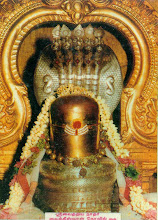
The king heard that high quality horses were on sale in the coast of the choza kingdom. He sent the prime minister thiruvadhavurar with lots of money to buy them. on the way vadhvUrar reached thirup perunthurai (avudaiyar kovil). There he heard from a garden the sweet chantings hara hara. The mind that jumps to the corners of the world was lost in that. He forgot himself and like a piece of iron attracted by the magnet he went in that direction. There he saw the lord sitting in the form of a shaivite sage under a tree elucidating the pupils, to see which lord sages observe austerities for births ! His seeking mind was overwhelmed at the sight of the guru he was yearning for. He surrendered himself to the Holy guru's feet and pleaded him to accept him as a disciple. The God who comes voluntarily in the way of devotees to bless them enlightened him with shivenyanam. vadhvurar who got the immense wealth of the Supreme knowledge outpoured the gems of hymns to the Glittering Feet of the lord offering his body, belongings and soul. (He then sang the first thiruvachakam song shivapuranam starting namashivaya vazhga ). The Peerless guide heard the songs and blessed him with the name Manikkavasagar (Gem speached). He ordered Manikkavasagar to build an abode and disappeared.
With the money he had brought to buy horses that would fight, kill and die in the battlefields, the devotee built a marvelous temple for the lord that would help growing the minds of the seekers in the bliss. Many days passed. The king sent people to find out what happened. His attendants reported to him the deeds of the devotee. The king was irked and sent the message to vadhavUrar ordering him to come with the horses. Manikkavasagar pleaded to the Playful lord of thirupperunthurai. The lord assured him that He would bring the horses on the avaNi mUlam day and passed through the gem worded saint, a gem to the king as a mark of assurance. The prime minister Manikkavasagar told the king about the arrival of the horses. The king was happy.
The lord probably wanted to show that patience and perseverance pays in His worship also, the horses did not arrive till day before the avani mulam day. The king got wild and arrested the prime minister. vadhavurar who had the mature vision that when the devotees surrendered themselves in wholeness to the God the Three eyed lord is the center of all deeds they do. He appealed to the lord singing anRE enRan. The God somasundara murthi who rides the bull of justice in His playful act made the foxes in the forest as horses, coming in the form of the lead man of the horses handed over them to the king explaining him the identification guidelines of good horses ! The lord went off. The same night the horses again became foxes and ran all over the capital. The king lost his sense in the peak of his ire and ordered his men to torture Manikkavasagar making him stand on the fry hot sand of the vaigai river loading him with a rock. The pained devotee with complete trust in the lord who made the vaigai river into existence for quenching the thirst of His attendant, prayed to the lord.
The lord who stopped the furious river ga.nga in His matted hair and allowed it to flow down as a stream blessing the penance of bhagIrathan flooded the river vaigai to grace the true love hearted devotee. The flood entered the streets of the capital. The king ordered the people to sharedly stop the deluging water by raising the banks. There was a lonely old poor lady by name vandhi (1), who practices marvelous love for the Parentless God with her simple mind and activities. To save her from getting penalized for not undertaking the king's order, the lord came as a laborer. But where is the end for His play ! Instead of raising the banks he spoilt the work going on there and slept innocently !! The king was annoyed and beat Him with a stick. But the pain was felt by all the creatures including the king. The flooding of the river subdued and the lord disappeared. The king realized the act of God and the glory of the saint Manikkavasagar. He begged for the saint's pardon. The loveful vachakar forgave the king and left the prime ministership.
He went to many abodes of the lord singing It at thirupperunthuRai, uththara kosamaNgai, thiruvarUr, thiruvidaimarudhUr, chIrkazi, thiruvaNNamalai, thirukkazukkunRam. Finally he reached the holy abode thillaich chiRRambalam. He got what the vEdas proclaim, "one gets bliss (amrita) here, even when he/she is alive" on seeing the heart stealing lord who dances there to the joy of the seeing eyes. He sang many hymns on the lord there.
The budhdhist people who had come from Sri lanka challenged to come for a debate on religions. With the lord's order he took it and answered the blemishes they were trying to put on the lord, making a dumb girl sing His Greatness and the opponents going dumb, he established the Shaivite glory. The opponents realized the truth of the spiritual science of shaivam and started worshipping the outstanding lord shankara. maNi vachakars service to the lord continued. The lord was getting anointed with his honey like words and the pure wonderful love. The lord wanted those gems of his hymns which could not be found a peer even the whole world is excavated to be glorified and passed to generations by generations to the world for our benefit of getting to praise the lord in sweet loveful words easily and even the hardest of the minds getting nurtured in love reading his hymns. He oneday went to the blessed saint Manikkavasagar, asked him to sing the complete thiruvachakam he had composed and wrote them down. He further asked him to sing the songs of love keeping the Dancing lord of thillai as the Hero the thirukkovaiyar. He wrote them also in the palm leaves book and put His seal as "as maNikka vachakan told the lord of thiruchchiRRambalam wrote this". He kept the script in the panychakkara steps of the abode and vanished.
The next day the priests of thillai were surprised to find the scripture on the steps of the abode with the lord's signature. They rushed to Manikkavasagar and appraised him about it. They saluted and asked him to explain them the philosophical explanation of the compositions. He took them to the golden hall abode of the lord and showed the blissfully Dancing lord and said He is the meaning of it and immersed himself in the Supreme luminance and became one in lord shiva. (This day was the ani magam day - his guru pujai day)
The history of this great saint is told in thiruvadhavurppuranam(2) and thiruvilaiyadal puranam.(3) His composistions are thiruvasagam and thirukkovaiyar. These hymns are praised for their simplicity, deep sense of love without losing focus in the description of things.
About Me
- Adiyaarku-adiyen
- Five faces of shivam are Easanam,Thathpurusam, Agoram, Vamadheyam, Sathyojatham. Meikanda Shasthram says three types of worship. *Arupa {Niskala} - formless[empty]. *Rupa {Sakala} - means forms of worship,fully manifested[Natarajar]. *Rupa Arupa {Niskalasakala} -formless form[Sivalingam]. Sarvam Shiva Mayam
Showing posts with label thiruvaasagam. Show all posts
Showing posts with label thiruvaasagam. Show all posts
Sunday, August 16, 2009

Thursday, May 21, 2009
Thiruvaasagam & Thiruvisaippa Thiruthalangal
திருவாசகத் திருத்தலங்கள்
* திருப்பெருந்துறை
* உத்தரகோசமங்கை
திருவிசைப்பாத் திருத்தலங்கள்
* கங்கை கொண்ட சோளேச்சரம்
* களந்தை ஆதித்தேச்சரம்
* கீழ்க்கோட்டூர் மணியம்பலம்
* தஞ்சை இராசராசேச்சரம்
* திரைலோக்கிய சுந்தரம்
* திருச்சாட்டியக்குடி
* திருமுகத்தலை
* திருவிடைக்கழி
* திருப்பெருந்துறை
* உத்தரகோசமங்கை
திருவிசைப்பாத் திருத்தலங்கள்
* கங்கை கொண்ட சோளேச்சரம்
* களந்தை ஆதித்தேச்சரம்
* கீழ்க்கோட்டூர் மணியம்பலம்
* தஞ்சை இராசராசேச்சரம்
* திரைலோக்கிய சுந்தரம்
* திருச்சாட்டியக்குடி
* திருமுகத்தலை
* திருவிடைக்கழி
Paadal Petra Sthalangal 274
Lord Shiva, popularly termed as the lord of destruction, but without whom creation cannot occur, is symbolized by the Shiva Lingam. Saivism is the major faith in the Indian system of belief, that worships Shiva as its principal God. Shiva temples are spread all over India. Most important among them, glorified by the 63 Tamil Nayanmars, particularly the 3 viz, Thirunavukarasar (Appar), Sundarar and Sambandar in their Tevaram hymn, are revered as the Tevara Paadal Petra Sthalams. They are 274 Shiva temples in number and out of which 264 temples are situated in Tamilnadu. The 274 odd shrines that have at least one Pathigam composed in their honor are referred to commonly as Paadal Petra Stalangal, or more generally Shivastalams.
Thirunavukarasar No. of Sivasthalams
Pathigams composed in the praise of the Lord Shiva after visiting the sivasthalam and temple personally 125
Pathigams composed in the praise of the Lord Shiva but did not visit the sivasthalam or the temple 98
Pathigams not composed by Thirunavukarasar 51
Sambandar No. of Sivasthalams
Pathigams composed in the praise of the Lord Shiva after visiting the sivasthalam and temple personally 219
Pathigams composed in the praise of the Lord Shiva but did not visit the sivasthalam or the temple 12
Pathigams not composed by Sambandar 43
Sundarar No. of Sivasthalams
Pathigams composed in the praise of the Lord Shiva after visiting the sivasthalam and temple personally 84
Pathigams composed in the praise of the Lord Shiva but did not visit the sivasthalam or the temple 54
Pathigams not composed by Sundarar 136
Thirunavukarasar, Thirugnanasambandar and Sundarar were the first Nayanmars who composed songs in the praise of Lord Shiva after visiting the temples of Lord Shiva and brought out the glory of the God by their pathigams. The 3 Nayanmars visited these temples along with their followers in spite of the inconveniences they faced while travelling the nook and corner of Tamilnadu in search of these temples. There are instances when God Shiva himself had directed them and shown the way to some of the temples so that the above Nayanmars could visit these temples and compose Pathigams. These Pathigaams (poems or songs) composed in the classical Tamil language are of immense value to the Tamil literature.
Saivite Tirumuraigal have been grouped into 12. The first 7 Tirumuraigal consists of the Pathigams composed by Thirunavukarasar, Thirugnanasambandar and Sundarar and are collectively and popularly known as Tevara Paadalgal. These Tevara Paadalgal convey one message clearly - that the temples referred in the Pathigams were in existence 1000 years before.
There is a saying that Lord Shiva himself had made a comment on the services rendered by the 3 first Nayanmars and it goes like this to quote in Tamil language.
Gnanasambandan thannai paadinaan
Thirunavukarasan ennai paadinaan
Sundaran Ponnai paadinaan
which means that Gnanasambandan composed the songs in the praise of god bringing him also into the picutre, Thirunavukarasar composed the songs purely in the praise of god, whereas Sundarar composed his songs in the praise of god and at the same time requesting the god for wealth.
Chola Naadu - North of Kaveri
1. Koyil Chidambaram Temple
2. Tiruvetkalam
3. Tirunelvayil
4. Tirukkazhippalai
5. Tirunallurpperumanam
6. Mahendrapalli
7. Ten Tirumullaivayil
8. Kalikkaamoor
9. Tiruchaaikaadu
10. Pallavaneeswaram
11. Tiruvenkadu
12. Tirukkattuppalli
13. Tirukkurukaavur
14. Sirkali
15. Tirukkolakka
16. Pullirukkuvelur (Vaideeswaran Koyil)
17. Kannaar Kovil
18. Tirukkadaimudi
19. Tiruninriyur
20. Tiruppunkur
21. Tiruneedur
22. Anniyur
23. Tiruvelvikudi
24. Edirkolpaadi
25. Tirumanancheri
26. Tirukkurukkai
27. Karuppariyalur
28. Kurakkukka
29. Tiruvaalkoliputrur
30. Tirumannippadikkarai
31. Omampuliyur
32. Tirukkaanaattumulloor
33. Tirunaarayur
34. Kadambur
35. Pandanainallur
36. Kanjanoor
37. Tirukkodikka
38. Tirumangalakkudi
39. Tiruppanantaal
40. Tiruvaappaadi
41. Tirucheignalur
42. Tirundudevankudi
43. Tiruviyalur
44. Kottaiyur
45. Innambar
46. Tiruppurampayam
47. Vijayamangai
48. Tiruvaikavur
49. Kurangaaduturai
50. Tiruppazhanam
51. Tiruvaiyaru
52. Tiruneittanam
53. Tirupperumpuliyur
54. Tirumazhapadi
55. Tiruppazhuvur (Aalanturai)
56. Tirukkaanoor
57. Anbilalanturai
58. Tirumaanturai
59. Tiruppaatrurai
60. Tiru Aanaikkaa
61. Tiruppainneeli
62. Tiruppaachilasramam
63. Tiruveengoimalai
Chola Naadu - South of Kaveri
1. Vaatpokki
2. Kadambar Kovil
3. Tirupparaaitturai
4. Tirukkarkudi (Uyyakkondan Malai)
5. Uraiyur
6. Tiruchirappalli
7. Tiruverumbur
8. Nedunkalam
9. Melaittirukkattuppalli
10. Tiruvalampozhil
11. Tiruppoonturutti
12. Tirukkandiyur
13. Tiruchotrutturai
14. Tiruvedikkudi
15. Tenkudittittai
16. Tiruppullamangai
17. Tiruchakrapalli
18. Tirukkarukaavoor
19. Tiruppaalaitturai
20. Tirunallur
21. Aavoor Pasupateeswaram
22. Satthi Mutram
23. Patteswaram
24. Pazhayarai
25. Tiruvalanchuzhi
26. Adi Kumbeswarar Temple
27. Tirukkudandai Keezhkottam
28. Kudandaikkaaronam
29. Tirunageswaram
30. Tiruvidaimarudur
31. Ten Kurangaaduturai
32. Tiruneelakkudi
33. Vaikanmaadakkovil
34. Tirunallam
35. Tirukkozhambam
36. Tiruvavaduturai
37. Tirutturutti
38. Tiruvazhundur
39. Mayiladuturai
40. Viilanagar
41. Tiruppariyalur
42. Tiruchemponpalli
43. Tirunanipalli
44. Tiruvalampuram
45. Tiruttalaichankadu
46. Aakkoor
47. Tirukkadavur
48. Tirukkadavur Mayaanam
49. Tiruvettakkudi
50. Tiruttelicheri
51. Dharumapuram
52. Tirunallar
53. Tirukkottaru
54. Ambar
55. Ambar Maakaalam
56. Tirumeeyachur
57. Tirumeeyachur Ilamkovil
58. Thilataipati
59. Tiruppaampuram
60. Sirukudi
61. Tiruveezhimizhalai
62. Tiruvanniyur
63. Karuvili Kottittai
64. Penu Perunturai
65. Naraiyur
66. Arisirkaraiputtur
67. Sivapuram
68. Kalayanallur
69. Tirukkarukkudi
70. Tiruvanchiyam
71. Nannilam
72. Tirukkondeeswaram
73. Tiruppanaiyur
74. Virkudi
75. Tiruppugalur
76. Tiruppugalur Vardhamaneswaram
77. Ramanadeeswaram
78. Tiruppayatrankudi
79. Tiruchenkattankudi
80. Tirumarugal
81. Tiruchaattamangai
82. Nagaikkaronam
83. Sikkal
84. Keevalur
85. Tiruttevur
86. Palliyin Mukkoodal
87. Achaleswaram
88. Tiruvarur
89. Arurparavaiumandali
90. Vilamar
91. Karaveeram
92. Peruvelur
93. Talaiyalankadu
94. Tirukkudavaayil
95. Tirucherai
96. Tirunalurmayaanam
97. Kaduvaaikaaraiputhur
98. Tiruvirumpoolai
99. Aradaipperumpazhi
100. Avalivanallur
101. Paridiniyamam
102. Tiruvenniyur (Koyil venni)
103. Tiruppoovanur
104. Paadaaleeswaram
105. Tirukkalar
106. Tiruchitremam
107. Tiru Usaattaanam
108. Tiruidumbavanam
109. Kadikkulam
110. Tandalaineeneri
111. Kottur
112. Vanduturai
113. Tirukkollampudur
114. Pereyil
115. Tirukkollikkadu
116. Tenkoor
117. Tirunellikka
118. Tirunatyattankudi
119. Tirukkarayil
120. Kanraappur
121. Valivalam
122. Kaichinam
123. Tirukkolili
124. Tiruvaimur
125. Tirumaraikkadu
126. Tiru Agathiyan Palli
127. Kodikkarai
128. Tiruvidaivai
Eezha Naadu - Sri Lanka
1. Tirukkonamalai
2. Tirukketheeswaram
Paandya Naadu
1. Aalavaai (Madurai)
2. Aappudaiyaar Kovil
3. Tirupparankunram
4. Tiruvedakam
5. Tirukkodunkunram
6. Tirupputhur
7. Tiruppunavayil
8. Rameswaram
9. Tiruvaadaanai
10. Tirukkaanapper
11. Tiruppoovanam
12. Tiruchuzhial
13. Kutralam
14. Tirunelveli
Malai Naadu - Kerala
1. Tiruvanjaikkalam
Kongu Naadu
1. Avinaasi
2. Tirumuruganpoondi
3. Tiru Nana
4. Kodimadachenkunroor (Tiruchengode)
5. Venchamaakoodal
6. Paandikkodumudi
7. Karuvoor Aanilai
Nadu Naadu
1. Tirunelvayil Aratturai
2. Pennaagadam
3. Goodalaiyatrur
4. Erukkattampuliyur
5. Tiruttinai Nagar
6. Tiruchopuram
7. Tiruvatikai
8. Tirunaavalur
9. Tirumudukunram
10. Tirunelvennei
11. Tirukkovalur Veerattam
12. Arankandanallur
13. Tiruvidaiyaru
14. Tiruvennainallur
15. Tirutturaiyur
16. Vatukur
17. Tirumaanikkuzhi
18. Tiruppaatirippuliyur
19. Tirumundeeswaram
20. Puravaar Panankattur
21. Tiru Aamaathur
22. Tiruvannamalai
Thondai Naadu
1. Kachi Ekambam
2. Kachi Metrali
3. Onakanthan Tali
4. Kachi Anekatangapadam
5. Kachi Nerikkaaraikkadu
6. Kuranganilmuttam
7. Tirumaagaral
8. Tiruvothur
9. Panankattur
10. Tiruvallam
11. Tirumalper
12. Tiruvooral
13. Ilambayankottur
14. Tiruvirkolam
15. Tiruvalankadu
16. Tiruppaasur
17. Tiruvenpakkam
18. Tirukkallil
19. Sree Kaalahasti
20. Tiruvotriyur
21. Tiruvalithayam
22. Tirumullaivayil
23. Tiruverkadu
24. Tirumayilai
25. Tiruvanmyur
26. Tirukkachoor
27. Tiruvidaichuram
28. Tirukkalunkunram
29. Tiru Acharapakkam
30. Tiruvakkarai
31. Arasili
32. Irumbai Maakalam
Tuluva Naadu - Karnataka
1. Gokarnam
Vada Naadu
1. Tirupparuppatham (Sree Sailam - Andhra Pradesh)
2. Indraneelaparvatam (Nepal)
3. Anekatangavadam (Gowrikund)
4. Tirukkedaram (Kedarnath)
5. Tirukkayilaayam (Mount Kailash)
Thirunavukarasar No. of Sivasthalams
Pathigams composed in the praise of the Lord Shiva after visiting the sivasthalam and temple personally 125
Pathigams composed in the praise of the Lord Shiva but did not visit the sivasthalam or the temple 98
Pathigams not composed by Thirunavukarasar 51
Sambandar No. of Sivasthalams
Pathigams composed in the praise of the Lord Shiva after visiting the sivasthalam and temple personally 219
Pathigams composed in the praise of the Lord Shiva but did not visit the sivasthalam or the temple 12
Pathigams not composed by Sambandar 43
Sundarar No. of Sivasthalams
Pathigams composed in the praise of the Lord Shiva after visiting the sivasthalam and temple personally 84
Pathigams composed in the praise of the Lord Shiva but did not visit the sivasthalam or the temple 54
Pathigams not composed by Sundarar 136
Thirunavukarasar, Thirugnanasambandar and Sundarar were the first Nayanmars who composed songs in the praise of Lord Shiva after visiting the temples of Lord Shiva and brought out the glory of the God by their pathigams. The 3 Nayanmars visited these temples along with their followers in spite of the inconveniences they faced while travelling the nook and corner of Tamilnadu in search of these temples. There are instances when God Shiva himself had directed them and shown the way to some of the temples so that the above Nayanmars could visit these temples and compose Pathigams. These Pathigaams (poems or songs) composed in the classical Tamil language are of immense value to the Tamil literature.
Saivite Tirumuraigal have been grouped into 12. The first 7 Tirumuraigal consists of the Pathigams composed by Thirunavukarasar, Thirugnanasambandar and Sundarar and are collectively and popularly known as Tevara Paadalgal. These Tevara Paadalgal convey one message clearly - that the temples referred in the Pathigams were in existence 1000 years before.
There is a saying that Lord Shiva himself had made a comment on the services rendered by the 3 first Nayanmars and it goes like this to quote in Tamil language.
Gnanasambandan thannai paadinaan
Thirunavukarasan ennai paadinaan
Sundaran Ponnai paadinaan
which means that Gnanasambandan composed the songs in the praise of god bringing him also into the picutre, Thirunavukarasar composed the songs purely in the praise of god, whereas Sundarar composed his songs in the praise of god and at the same time requesting the god for wealth.
Chola Naadu - North of Kaveri
1. Koyil Chidambaram Temple
2. Tiruvetkalam
3. Tirunelvayil
4. Tirukkazhippalai
5. Tirunallurpperumanam
6. Mahendrapalli
7. Ten Tirumullaivayil
8. Kalikkaamoor
9. Tiruchaaikaadu
10. Pallavaneeswaram
11. Tiruvenkadu
12. Tirukkattuppalli
13. Tirukkurukaavur
14. Sirkali
15. Tirukkolakka
16. Pullirukkuvelur (Vaideeswaran Koyil)
17. Kannaar Kovil
18. Tirukkadaimudi
19. Tiruninriyur
20. Tiruppunkur
21. Tiruneedur
22. Anniyur
23. Tiruvelvikudi
24. Edirkolpaadi
25. Tirumanancheri
26. Tirukkurukkai
27. Karuppariyalur
28. Kurakkukka
29. Tiruvaalkoliputrur
30. Tirumannippadikkarai
31. Omampuliyur
32. Tirukkaanaattumulloor
33. Tirunaarayur
34. Kadambur
35. Pandanainallur
36. Kanjanoor
37. Tirukkodikka
38. Tirumangalakkudi
39. Tiruppanantaal
40. Tiruvaappaadi
41. Tirucheignalur
42. Tirundudevankudi
43. Tiruviyalur
44. Kottaiyur
45. Innambar
46. Tiruppurampayam
47. Vijayamangai
48. Tiruvaikavur
49. Kurangaaduturai
50. Tiruppazhanam
51. Tiruvaiyaru
52. Tiruneittanam
53. Tirupperumpuliyur
54. Tirumazhapadi
55. Tiruppazhuvur (Aalanturai)
56. Tirukkaanoor
57. Anbilalanturai
58. Tirumaanturai
59. Tiruppaatrurai
60. Tiru Aanaikkaa
61. Tiruppainneeli
62. Tiruppaachilasramam
63. Tiruveengoimalai
Chola Naadu - South of Kaveri
1. Vaatpokki
2. Kadambar Kovil
3. Tirupparaaitturai
4. Tirukkarkudi (Uyyakkondan Malai)
5. Uraiyur
6. Tiruchirappalli
7. Tiruverumbur
8. Nedunkalam
9. Melaittirukkattuppalli
10. Tiruvalampozhil
11. Tiruppoonturutti
12. Tirukkandiyur
13. Tiruchotrutturai
14. Tiruvedikkudi
15. Tenkudittittai
16. Tiruppullamangai
17. Tiruchakrapalli
18. Tirukkarukaavoor
19. Tiruppaalaitturai
20. Tirunallur
21. Aavoor Pasupateeswaram
22. Satthi Mutram
23. Patteswaram
24. Pazhayarai
25. Tiruvalanchuzhi
26. Adi Kumbeswarar Temple
27. Tirukkudandai Keezhkottam
28. Kudandaikkaaronam
29. Tirunageswaram
30. Tiruvidaimarudur
31. Ten Kurangaaduturai
32. Tiruneelakkudi
33. Vaikanmaadakkovil
34. Tirunallam
35. Tirukkozhambam
36. Tiruvavaduturai
37. Tirutturutti
38. Tiruvazhundur
39. Mayiladuturai
40. Viilanagar
41. Tiruppariyalur
42. Tiruchemponpalli
43. Tirunanipalli
44. Tiruvalampuram
45. Tiruttalaichankadu
46. Aakkoor
47. Tirukkadavur
48. Tirukkadavur Mayaanam
49. Tiruvettakkudi
50. Tiruttelicheri
51. Dharumapuram
52. Tirunallar
53. Tirukkottaru
54. Ambar
55. Ambar Maakaalam
56. Tirumeeyachur
57. Tirumeeyachur Ilamkovil
58. Thilataipati
59. Tiruppaampuram
60. Sirukudi
61. Tiruveezhimizhalai
62. Tiruvanniyur
63. Karuvili Kottittai
64. Penu Perunturai
65. Naraiyur
66. Arisirkaraiputtur
67. Sivapuram
68. Kalayanallur
69. Tirukkarukkudi
70. Tiruvanchiyam
71. Nannilam
72. Tirukkondeeswaram
73. Tiruppanaiyur
74. Virkudi
75. Tiruppugalur
76. Tiruppugalur Vardhamaneswaram
77. Ramanadeeswaram
78. Tiruppayatrankudi
79. Tiruchenkattankudi
80. Tirumarugal
81. Tiruchaattamangai
82. Nagaikkaronam
83. Sikkal
84. Keevalur
85. Tiruttevur
86. Palliyin Mukkoodal
87. Achaleswaram
88. Tiruvarur
89. Arurparavaiumandali
90. Vilamar
91. Karaveeram
92. Peruvelur
93. Talaiyalankadu
94. Tirukkudavaayil
95. Tirucherai
96. Tirunalurmayaanam
97. Kaduvaaikaaraiputhur
98. Tiruvirumpoolai
99. Aradaipperumpazhi
100. Avalivanallur
101. Paridiniyamam
102. Tiruvenniyur (Koyil venni)
103. Tiruppoovanur
104. Paadaaleeswaram
105. Tirukkalar
106. Tiruchitremam
107. Tiru Usaattaanam
108. Tiruidumbavanam
109. Kadikkulam
110. Tandalaineeneri
111. Kottur
112. Vanduturai
113. Tirukkollampudur
114. Pereyil
115. Tirukkollikkadu
116. Tenkoor
117. Tirunellikka
118. Tirunatyattankudi
119. Tirukkarayil
120. Kanraappur
121. Valivalam
122. Kaichinam
123. Tirukkolili
124. Tiruvaimur
125. Tirumaraikkadu
126. Tiru Agathiyan Palli
127. Kodikkarai
128. Tiruvidaivai
Eezha Naadu - Sri Lanka
1. Tirukkonamalai
2. Tirukketheeswaram
Paandya Naadu
1. Aalavaai (Madurai)
2. Aappudaiyaar Kovil
3. Tirupparankunram
4. Tiruvedakam
5. Tirukkodunkunram
6. Tirupputhur
7. Tiruppunavayil
8. Rameswaram
9. Tiruvaadaanai
10. Tirukkaanapper
11. Tiruppoovanam
12. Tiruchuzhial
13. Kutralam
14. Tirunelveli
Malai Naadu - Kerala
1. Tiruvanjaikkalam
Kongu Naadu
1. Avinaasi
2. Tirumuruganpoondi
3. Tiru Nana
4. Kodimadachenkunroor (Tiruchengode)
5. Venchamaakoodal
6. Paandikkodumudi
7. Karuvoor Aanilai
Nadu Naadu
1. Tirunelvayil Aratturai
2. Pennaagadam
3. Goodalaiyatrur
4. Erukkattampuliyur
5. Tiruttinai Nagar
6. Tiruchopuram
7. Tiruvatikai
8. Tirunaavalur
9. Tirumudukunram
10. Tirunelvennei
11. Tirukkovalur Veerattam
12. Arankandanallur
13. Tiruvidaiyaru
14. Tiruvennainallur
15. Tirutturaiyur
16. Vatukur
17. Tirumaanikkuzhi
18. Tiruppaatirippuliyur
19. Tirumundeeswaram
20. Puravaar Panankattur
21. Tiru Aamaathur
22. Tiruvannamalai
Thondai Naadu
1. Kachi Ekambam
2. Kachi Metrali
3. Onakanthan Tali
4. Kachi Anekatangapadam
5. Kachi Nerikkaaraikkadu
6. Kuranganilmuttam
7. Tirumaagaral
8. Tiruvothur
9. Panankattur
10. Tiruvallam
11. Tirumalper
12. Tiruvooral
13. Ilambayankottur
14. Tiruvirkolam
15. Tiruvalankadu
16. Tiruppaasur
17. Tiruvenpakkam
18. Tirukkallil
19. Sree Kaalahasti
20. Tiruvotriyur
21. Tiruvalithayam
22. Tirumullaivayil
23. Tiruverkadu
24. Tirumayilai
25. Tiruvanmyur
26. Tirukkachoor
27. Tiruvidaichuram
28. Tirukkalunkunram
29. Tiru Acharapakkam
30. Tiruvakkarai
31. Arasili
32. Irumbai Maakalam
Tuluva Naadu - Karnataka
1. Gokarnam
Vada Naadu
1. Tirupparuppatham (Sree Sailam - Andhra Pradesh)
2. Indraneelaparvatam (Nepal)
3. Anekatangavadam (Gowrikund)
4. Tirukkedaram (Kedarnath)
5. Tirukkayilaayam (Mount Kailash)
12 Aagamangal ((The Great 12 books of Saiva Religion)
12 Aagamangal ((The Great 12 books of Saiva Religion)
Thirumurai 1,2,3
Dhevaram - 1,2,3 Volumes sung by Thirunavukkarasar (Appar)
Thirumurai 4,5,6
Dhevaram - 4,5,6 Volumes sung by Thirugnanasambandhar
Thirumurai 7
Dhevaram - 7th Volume sung by Sundharar
Thirumurai 8
Thiruvasagam,Thiruvempavai,Thirukkovai,Sivapuraanam - sung by Manickavasagar
Thirumurai 9
Thiruvisaippa,Thiruppallandu - sung by Sendhanar,Kauvoorthevar,Maligaithevar..
Thirumurai 10
Thirumandhiram - sung by Thirumoolar
Thirumurai 11
Various Poems About Shivan - sung by Karaikkalammaiyar,Iyyadigal Kadavarkone, Nakkeeranar
Thirumurai 12
Periyapuranam - sung by Sekkizhar
Meikanta shasthras,otherwise known as siddhantha shasthras are fourteen in number.
1. Thiruvunthiyar
Written by Thiruviyalur uyyavantha nayanar
2. Thirukkaliruppathiyar
Written by Thiruviyalur uyyavantha nayanar
3. Shivagnanapotham
Written by Meikantar
4. Shivagnanasitthiyar
Written by Arunanthisivam
5. Irupa Irupathu
Written by Arunanthisivam
6. Unmai Vilakkam
Written by Thiruvathigai Manavasagamkatanthar
7. Sivaprakasam
Written by Umapathishivam
8. Thiruvarutpayan
Written by Umapathishivam
9. Vinavenpa
Written by Umapathishivam
10. Potri Pahrotai
Written by Umapathishivam
11. Unmai Nerivilakkam
Written by Umapathishivam
12. Kotikkavi
Written by Umapathishivam
13. Nenju Vidu Thothu
Written by Umapathishivam
14. Sankarapanirakaranam
Written by Umapathishivam
Thirumurai 1,2,3
Dhevaram - 1,2,3 Volumes sung by Thirunavukkarasar (Appar)
Thirumurai 4,5,6
Dhevaram - 4,5,6 Volumes sung by Thirugnanasambandhar
Thirumurai 7
Dhevaram - 7th Volume sung by Sundharar
Thirumurai 8
Thiruvasagam,Thiruvempavai,Thirukkovai,Sivapuraanam - sung by Manickavasagar
Thirumurai 9
Thiruvisaippa,Thiruppallandu - sung by Sendhanar,Kauvoorthevar,Maligaithevar..
Thirumurai 10
Thirumandhiram - sung by Thirumoolar
Thirumurai 11
Various Poems About Shivan - sung by Karaikkalammaiyar,Iyyadigal Kadavarkone, Nakkeeranar
Thirumurai 12
Periyapuranam - sung by Sekkizhar
Meikanta shasthras,otherwise known as siddhantha shasthras are fourteen in number.
1. Thiruvunthiyar
Written by Thiruviyalur uyyavantha nayanar
2. Thirukkaliruppathiyar
Written by Thiruviyalur uyyavantha nayanar
3. Shivagnanapotham
Written by Meikantar
4. Shivagnanasitthiyar
Written by Arunanthisivam
5. Irupa Irupathu
Written by Arunanthisivam
6. Unmai Vilakkam
Written by Thiruvathigai Manavasagamkatanthar
7. Sivaprakasam
Written by Umapathishivam
8. Thiruvarutpayan
Written by Umapathishivam
9. Vinavenpa
Written by Umapathishivam
10. Potri Pahrotai
Written by Umapathishivam
11. Unmai Nerivilakkam
Written by Umapathishivam
12. Kotikkavi
Written by Umapathishivam
13. Nenju Vidu Thothu
Written by Umapathishivam
14. Sankarapanirakaranam
Written by Umapathishivam
Subscribe to:
Posts (Atom)


